فئات الكتب:




تأمين ألعاب الملاهي: ما نوع التأمين الذي يحتاجه المشترون؟
在购买游乐设施后,许多买家关注安装、运营和收入——但往往忽视了一个关键因素: 游乐设施保险.
实际上,保险在许多地区不仅是法律要求——它也是保护您的投资、确保运营连续性以及管理长期风险的核心部分。.
基于实际项目经验和行业实践,本指南解释了买家需要哪些类型的保险、 游乐设施保险 保单如何构建,以及如何避免代价高昂的错误。.
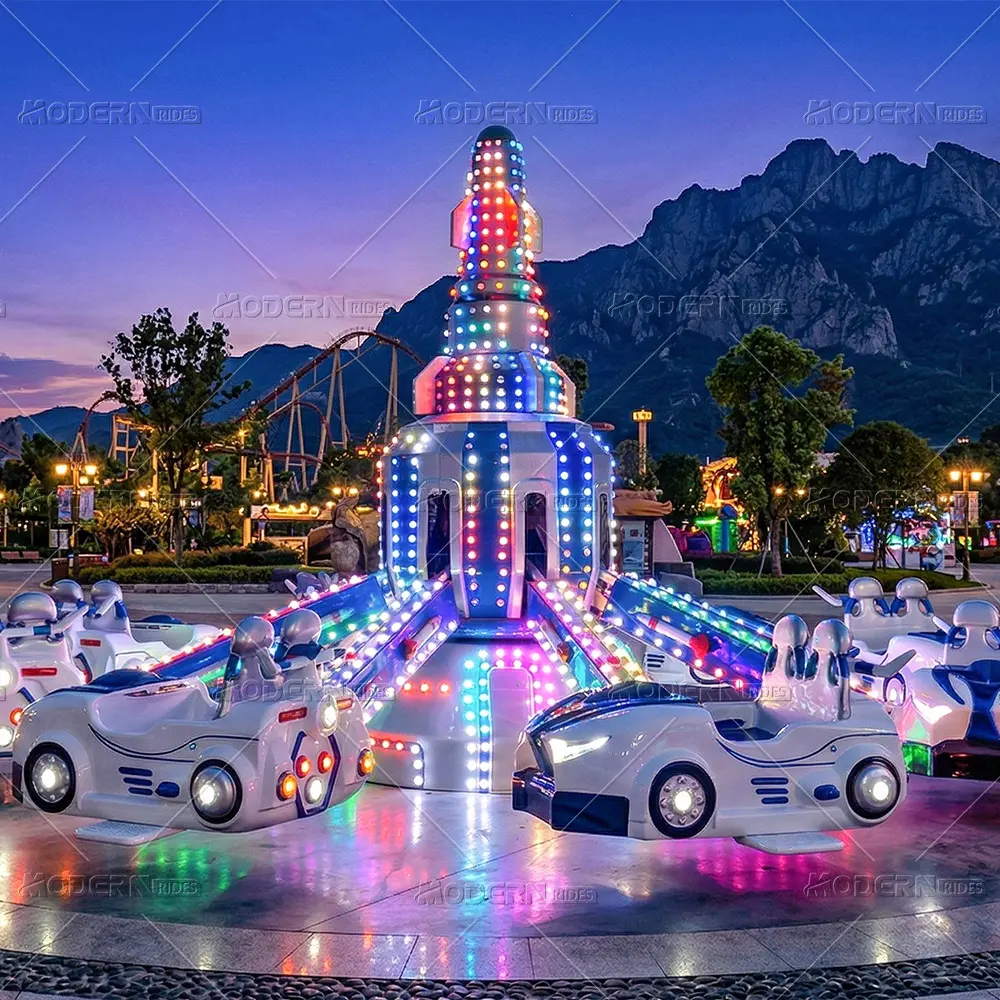
لماذا 游乐设施保险 在购买后至关重要
游乐设施涉及机械系统、电气控制系统和公众互动——所有这些都引入了运营风险。.
如果没有适当的保险, 游乐设施保险, 单次事故可能导致:
- 重大财务损失
- 法律责任
- 运营停摆
- 品牌声誉受损
专业运营商将保险视为游乐设施系统的一部分——而非可选的附加项。.
1. 买家需要的核心保险类型 游乐设施保险 买家需要的核心保险类型
一个完整的保险结构通常包括多层保护。.
一般责任保险
这是游乐设施保险中最基本的保障。 游乐设施保险.
它保护的范围包括:
- 游客受伤
- 第三方财产损失
- 与游乐设施相关的事故
大多数国家要求最低责任保险限额(通常每次事故约100万美元,具体取决于当地法规)。.
财产保险
财产保险覆盖实物资产,包括:
- 游乐设施结构
- 控制系统
- 公园基础设施
它保护的范围包括以下风险:
- 火灾
- 盗窃
- 故意破坏
- 自然灾害(取决于保单条款)
对于进口设备的买家来说,这在安装后至关重要。.
工伤保险
如果您雇佣操作员或维护人员,此保障至关重要。.
它包括:
- 医疗费用
- 工资损失
- 工作场所伤害保护
没有它,员工事故可能迅速转化为重大责任。.
产品责任保险
这种类型的保险 游乐设施保险 适用于设备故障导致损害或伤害的情况。.
它通常覆盖:
- 制造缺陷
- 机械故障
- 设计相关风险
在许多情况下,责任可能在制造商和运营商之间分担——因此清晰的文档记录非常重要。.
伞式(超额责任)保险
大额索赔可能超出标准保单限额。.
伞式保险提供:
- 超出基本保单的额外保障
- 针对高价值诉讼的保护
对于拥有多个游乐设施或高游客量的运营商,强烈推荐此保险。.
2. 游乐设施保险的法律要求 游乐设施保险
保险要求因游乐设施安装的国家或地区而异。.
然而,常见的监管期望包括:
- 最低责任保险限额(通常每次事故≥100万美元)
- 在运营批准前提供保险证明
- 针对特定游乐设施的保单文件
- 遵守安全检查机构的规定
في العديد من الأسواق، يرتبط التأمين بشكل مباشر بالترخيص — فبدون تأمين ساري المفعول 游乐设施保险, قد لا يُسمح بتشغيل المنشأة.
3. كم تبلغ تكلفة 游乐设施保险 التأمين؟
تعتمد تكلفة التأمين على عدة عوامل تشغيلية فعلية:
- حجم الحديقة وتصميمها
- عدد ونوع الألعاب
- حجم الزوار اليومي
- الموقع ومستوى تكاليف العمالة
- سجل السلامة وممارسات الصيانة
النطاقات المرجعية النموذجية (للعمليات الصغيرة والمتوسطة):
- 100–300 دولار شهريًا للتغطية الأساسية للمسؤولية
- 300–800 دولار سنويًا لكل مليون دولار من التغطية (يختلف حسب السوق)
غالبًا ما تحصل الحدائق المُدارة جيدًا والتي تتمتع بسجلات سلامة قوية على أسعار أقساط أفضل بمرور الوقت.
4. الاستثناءات الشائعة في 游乐设施保险 وثائق التأمين
ليست جميع المخاطر مغطاة تلقائيًا.
يجب على المشترين مراجعة الاستثناءات بعناية مثل:
الإهمال
إذا لم يتم تنفيذ الصيانة المناسبة، فقد يتم رفض المطالبات.
التشغيل غير السليم
تشغيل الألعاب خارج إرشادات الشركة المصنعة قد يؤدي إلى إبطال التغطية.
الكوارث الطبيعية
قد تتطلب الفيضانات والزلازل أو الطقس القاسي وثائق تأمين منفصلة.
الراكبون غير المصرح لهم
الحوادث التي تشمل راكبين خارج حدود السلامة (العمر، الطول) قد لا تكون مغطاة.
فهم هذه الاستثناءات أمر بالغ الأهمية لتجنب النزاعات أثناء المطالبات.
5. كيفية تقليل المخاطر وخفض تكاليف التأمين
لا يكتفي المشغلون المحترفون بشراء 游乐设施保险التأمين — بل يديرون المخاطر بنشاط لتقليل الأقساط.
تنفيذ الصيانة الموحدة
- روتين التفتيش اليومي
- جدولة التشحيم واستبدال الأجزاء
- سجلات صيانة موثقة
تدريب المشغلين بشكل صحيح
- إجراءات تشغيل الألعاب الواضحة
- التدريب على الاستجابة للطوارئ
- الوعي بالامتثال للسلامة
الحفاظ على التوثيق
- تقارير التفتيش
- سجلات التدريب
- سجلات الحوادث
غالبًا ما تقوم شركات التأمين بتقييم هذه العوامل عند تحديد الأقساط.
6. التأمين وجودة المعدات: علاقة مباشرة
حقيقة غالبًا ما يتم تجاهلها:
تؤثر جودة ألعاب الملاهي الخاصة بك بشكل مباشر على مخاطر التأمين.
غالبًا ما تؤدي المعدات منخفضة الجودة إلى:
- معدلات أعطال أعلى
- زيادة وقت التوقف عن العمل
- احتمالية أكبر للمطالبات
عادةً ما يوفر المصنعون الموثوقون:
- تصاميم معتمدة (CE، EN13814، ASTM حيثما ينطبق)
- أنظمة تحكم مستقرة (PLC + VFD)
- وثائق فنية واضحة
بالنسبة لشركات التأمين، يقلل هذا من المخاطر المتصورة — ويمكن أن يؤثر إيجابًا على شروط الوثيقة.
7. الأخطاء الشائعة التي يرتكبها المشترون مع 游乐设施保险
يقلل العديد من المشترين لأول مرة من أهمية التخطيط للتأمين.
تشمل الأخطاء النموذجية:
- اختيار أرخص وثيقة دون فهم التغطية
- تجاهل المتطلبات التنظيمية المحلية
- الفشل في مواءمة التأمين مع التكوين الفعلي للألعاب
- عدم تحديث الوثائق بعد إضافة ألعاب جديدة
- التغاضي عن الاستثناءات
غالبًا ما تؤدي هذه الأخطاء إلى رفض المطالبات أو التعرض المالي غير المتوقع.
الرؤية النهائية: التأمين جزء من استراتيجية الاستثمار
الغرض الحقيقي من 游乐设施保险 ليس مجرد حماية – بل هو استمرارية الأعمال.
يدرك المشغلون الناجحون أن:
- التأمين يدعم التشغيل المستقر
- إدارة المخاطر تحسن الربحية
- الامتثال يبني المصداقية طويلة الأمد
في صناعة الترفيه، ترتبط السلامة والموثوقية والحماية المالية ارتباطًا وثيقًا.
اتصل بنا **تجربة مشاريع MODERN،** اليوم لتلقي إرشادات مهنية حول اختيار الألعاب، والتخطيط للامتثال، وحلول متنزهات الترفيه المتكاملة – بما في ذلك دعم المشاريع الجاهزة للتأمين.
المنشورات ذات الصلة
حلول تدفئة موثوقة
أخبرنا بخطتك واحصل على توجيهات واضحة بشأن المعدات والتخطيط والتسليم.
مكتبنا العالمي
كوام إليمنتوم بولفينار إتيام نون كوام. فوسيبوس نيسل تينسيدونت إجيت نولام نون نيسي إليمنتوم ساجيتيس فيتايه إت ليو دويز أوت ديام كوام.