فئات الكتب:







الدليل الشامل لاختيار ألعاب الأرجوحة لمدن الملاهي الداخلية
**تذكير رئيسي:** ليست جميع نماذج الألعاب المتأرجحة مناسبة للتركيب والتشغيل في الأماكن المغلقة.
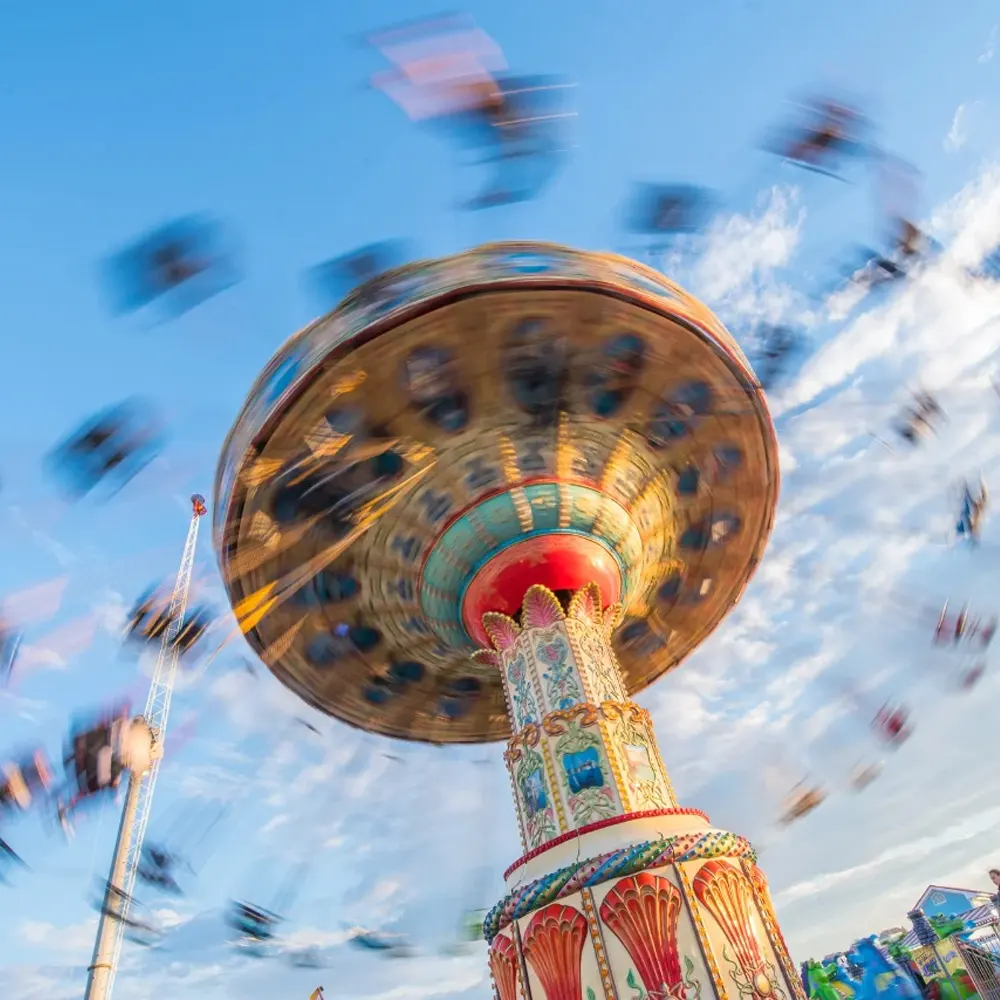
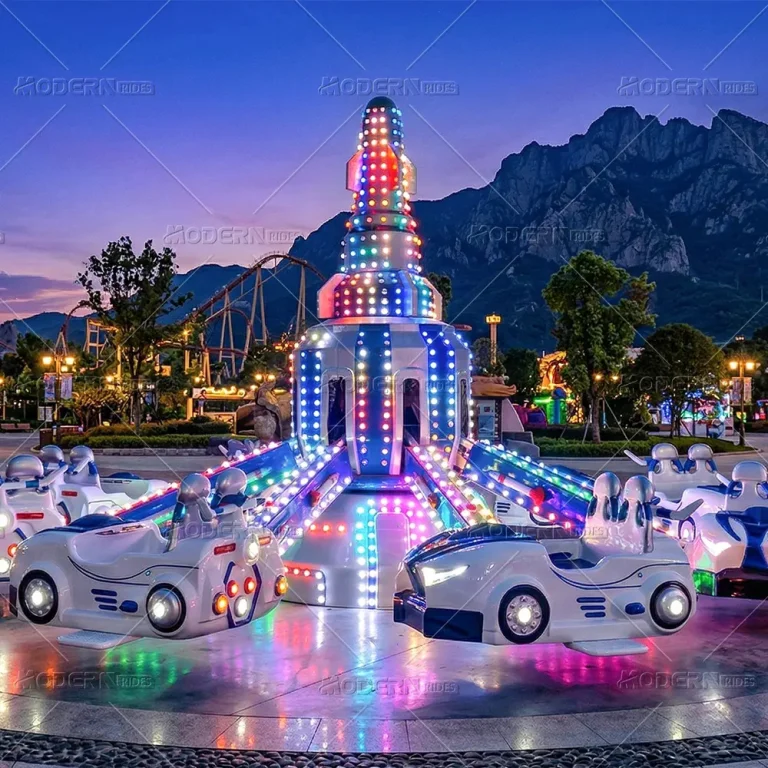
**في المراحل المبكرة من تخطيط حديقة الملاهي الداخلية، يفكر العديد من المشترين** **في الألعاب المتأرجحة** **باعتبارها خيارًا آمنًا ومرنًا. فهي تبدو مدمجة، وبسيطة في الحركة، ومناسبة للأطفال.**.
**ومع ذلك، في عمليات المشاريع الفعلية، يُعد هذا النوع من المعدات من أكثر الأنواع التي يساء فهمها شيوعًا.**.
**المشكلة الأساسية ليست في اللعبة نفسها، بل في كيفية توافقها مع ارتفاع السقف، والتخطيط المكاني، وتوقعات الزوار.**.
**خطأ شائع: الاختيار بناءً على الخبرة في الهواء الطلق أو الحدس**
**بعض المشترين يختارون** **في الألعاب المتأرجحة** **مباشرةً بناءً على ما شاهدوه في الحدائق الخارجية.**.
**ما هي النتيجة؟**
- **تشعر اللعبة بأنها ضعيفة الأداء في الأماكن المغلقة**
- **والأسوأ من ذلك، قد لا تتناسب على الإطلاق بسبب عدم كفاية ارتفاع السقف وقيود مكانية أخرى، مما يجعل تحقيق عوائد الاستثمار مستحيلًا**
**البيئات الداخلية تغير كيفية إدراك الحركة. بدون السماء المفتوحة والمراجع البصرية بعيدة المدى، قد تبدو نفس الحركة شديدة أو غير متوازنة.**.
**كمورد محترف لمعدات الملاهي، وجدت HOTFUN في أكثر من 2000 مشروع عالمي أن هذا النوع من عدم التوافق يُحدد ويُحل عادةً خلال التواصل المبكر وتقييم التخطيط. وهذا يساعد العملاء على تجنب إعادة التصميم غير الضرورية ويسمح للمشاريع بالوصول إلى الربحية بشكل أسرع.**.
**ما يهم حقًا عند اختيار الألعاب المتأرجحة الداخلية**
**بناءً على أكثر من 20 عامًا من الخبرة في التصنيع، تقترح HOTFUN ألا يركز المشترون فقط على مظهر المنتج أو سعره في المرحلة المبكرة، بل يجب تقييم ثلاثة عوامل رئيسية:**
**1. ارتفاع الخلوص الفعال (وليس فقط ارتفاع المعدات)**
**تواجه العديد من المشاريع مشاكل في هذه المرحلة.**.
**اللعبة التي يبلغ ارتفاعها المعلن 3.3 أمتار لا تعني أن مساحتك كافية.**.
**تحتاج أيضًا إلى مراعاة:**
- **خلوص الأمان**
- **الإضاءة وهياكل السقف**
- **مساحة الصيانة**
**من الناحية العملية،**, **في الألعاب المتأرجحة** **المصممة للاستخدام الداخلي غالبًا ما تتطلب هامش تخطيط أكبر من المتوقع.**.
**2. نوع الحركة مقابل الإدراك المكاني**
**ليست جميعها** **في الألعاب المتأرجحة** **تقدم نفس التجربة.**.
**بعضها يعتمد على الحركة القوسية الواسعة، بينما يركز البعض الآخر على الحركة الرأسية الهابطة.**.
**بالنسبة للحدائق الداخلية، غالبًا ما تؤدي الحركة الرأسية أداءً أفضل لأنها:**
- **تستفيد من الارتفاع بشكل أكثر كفاءة**
- **تخلق إحساسًا أقوى بالإثارة ضمن مساحة محدودة**
**لهذا السبب تتجنب العديد من الحدائق الداخلية الحديثة أنظمة التأرجح الدائرية الكبيرة.**.
**3. سلوك الزوار في الحدائق الداخلية**
**يختلف سلوك الزوار في الأماكن المغلقة عن الحدائق الخارجية.**.
**يمكثون لفترات أقصر، ويتحركون بشكل أسرع، ويكونون أكثر حساسية للتجارب المتكررة.**.
**لهذا السبب تفضل العديد من الحدائق الناجحة الألعاب التي تقدم:**
- **تأثيرًا فوريًا**
- **تنوعًا واضحًا في الحركة**
- **تجارب قصيرة لكنها لا تُنسى**
**أين تؤدي الألعاب المتأرجحة الداخلية أفضل أداء**
**بناءً على** **تجربة مشاريع MODERN،**’**نادرًا ما تُستخدم كمناطق جذب مركزية في الحدائق الداخلية.**, **في الألعاب المتأرجحة** **بدلاً من ذلك، تؤدي أداءً أفضل في المواقع التالية:**.
**بالقرب من مناطق الانتقال بين المعالم**
- **قريبة من مناطق العائلة**
- **في المساحات التي تتطلب حركة بصرية**
- **دورها ليس السيطرة على الحديقة، بل الحفاظ على نشاط البيئة.**
**التكلفة ليست الخطر الرئيسي — بل التموضع الخاطئ هو**.
**يقضي العديد من المشترين وقتًا طويلاً في مقارنة الأسعار.**
**في الواقع، الخطر الأكبر هو اختيار النوع الخاطئ من المعدات للمساحة.**.
**قد تؤدي اللعبة المتأرجحة غير المناسبة**.
**إلى:** **استخدام أقل من المتوقع** **انخفاض التفاعل في المنطقة**
- **تعديلات مكلفة لاحقًا**
- **لهذا السبب يركز الموردون ذوو الخبرة مثل**
- **أكثر على توافق التخطيط بدلاً من تسعير المعدات فقط خلال المناقشات المبكرة.**
**طريقة عملية للتقييم قبل الشراء** **تجربة مشاريع MODERN،** **بدلاً من السؤال "أي لعبة متأرجحة**.
**هي الأفضل؟"، من الأكثر عملية أن تسأل:**
Instead of asking “Which **استخدام أقل من المتوقع** is the best?”, it is more practical to ask:
👉 “هل تتناسب هذه الرحلة مع ظروف موقعي وتدفق الزوار؟”
يمكن لهذا التحول في التفكير أن يمنع معظم الأخطاء في المراحل المبكرة.
أفكار ختامية
ألعاب الأرجوحة يمكن أن تؤدي أداءً جيدًا جدًا في المشاريع الداخلية — ولكن فقط عند اختيارها بناءً على المساحة ونوع الحركة وسلوك الزوار.
الفرق بين التركيب الناجح والاستثمار المهدر غالبًا لا يكمن في المعدات نفسها، بل في القرارات التي تقف وراءها.
هل تخطط لمدينة ملاهي داخلية؟ ابدأ بمنطق الرحلة الصحيح
إذا كنت تقيّم **استخدام أقل من المتوقع** لمشروع داخلي، فمن المهم النظر في كيفية تناسبها مع تخطيطك العام بدلاً من معاملتها كمنطقة جذب مستقلة.
بفضل خبرة تمتد لأكثر من 20 عامًا في تصنيع معدات التسلية ودعم المشاريع العالمية،, **تجربة مشاريع MODERN،** تعمل بشكل وثيق مع العملاء لمواءمة اختيار الرحلة مع ظروف الموقع الفعلية، مما يساعد في تقليل التجربة والخطأ أثناء تنفيذ المشروع.
المشاريع التي تعالج هذا الأمر بشكل صحيح في مرحلة مبكرة يمكنها تجنب إعادة التصميم المكلفة لاحقًا.
المنشورات ذات الصلة
حلول تدفئة موثوقة
أخبرنا بخطتك واحصل على توجيهات واضحة بشأن المعدات والتخطيط والتسليم.
مكتبنا العالمي
كوام إليمنتوم بولفينار إتيام نون كوام. فوسيبوس نيسل تينسيدونت إجيت نولام نون نيسي إليمنتوم ساجيتيس فيتايه إت ليو دويز أوت ديام كوام.