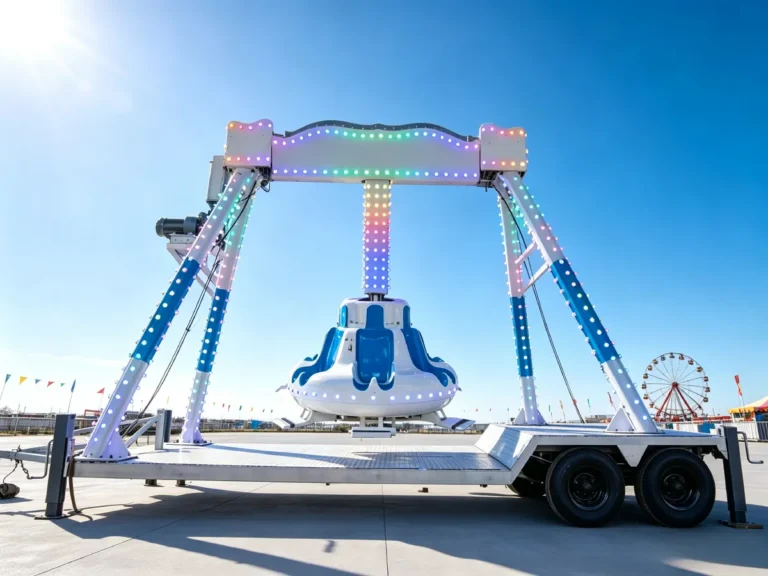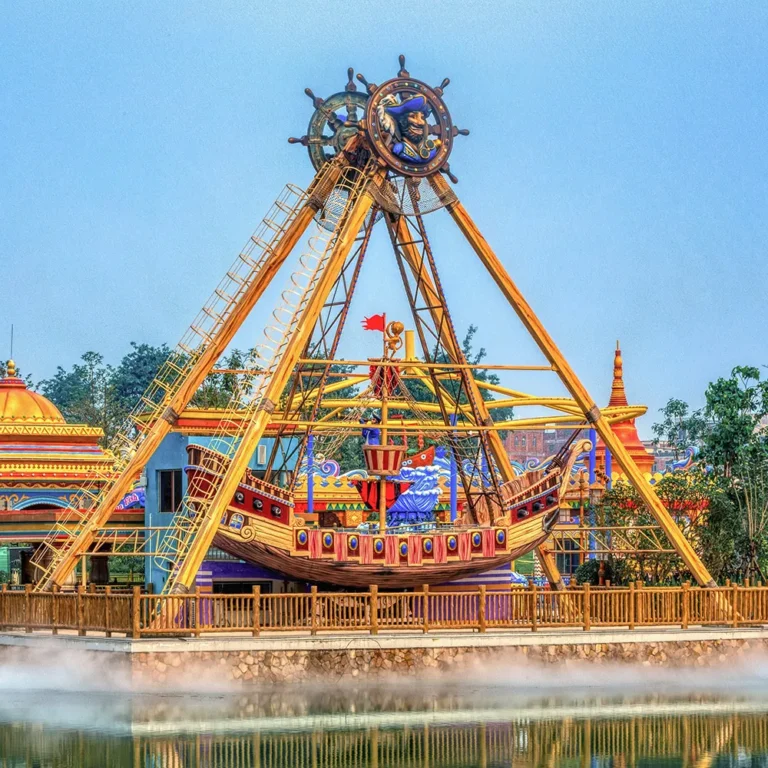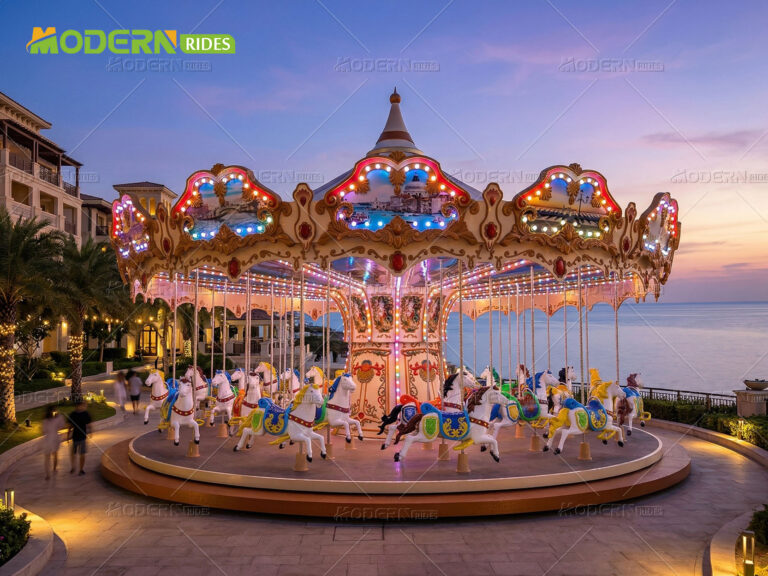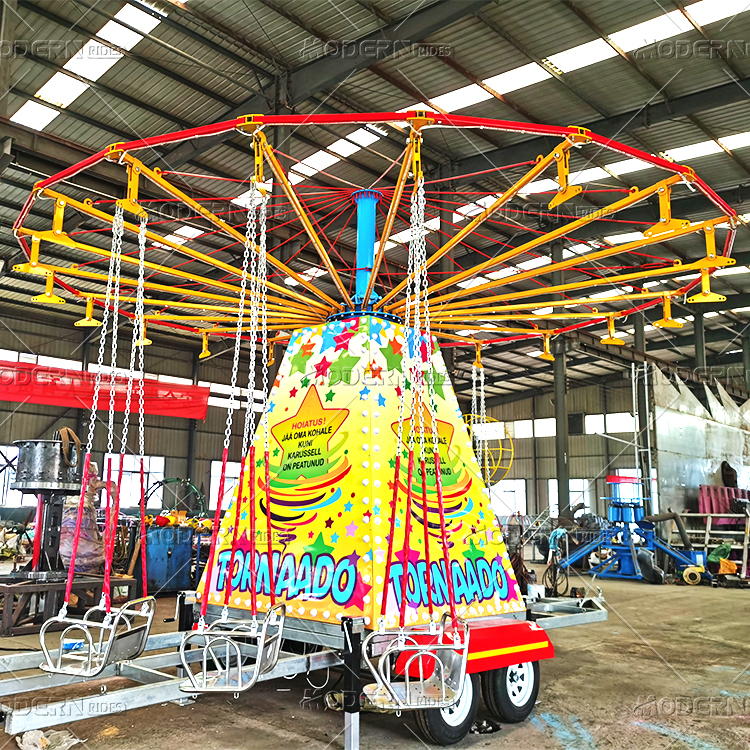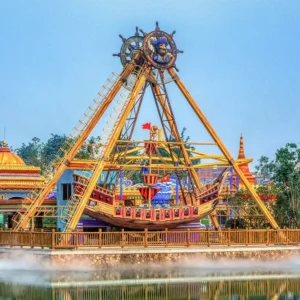

Después de adquirir atracciones mecánicas, muchos compradores se centran en la instalación, operación e ingresos, pero a menudo pasan por alto un factor crítico: el seguro para atracciones mecánicas.
En realidad, el seguro no solo es un requisito legal en muchas regiones, sino una parte fundamental para proteger su inversión, garantizar la continuidad operativa y gestionar el riesgo a largo plazo.
Basándose en la experiencia real de proyectos y las prácticas del sector, esta guía explica qué tipos de el seguro para atracciones mecánicas cobertura necesitan los compradores, cómo se estructuran las pólizas y cómo evitar errores costosos.
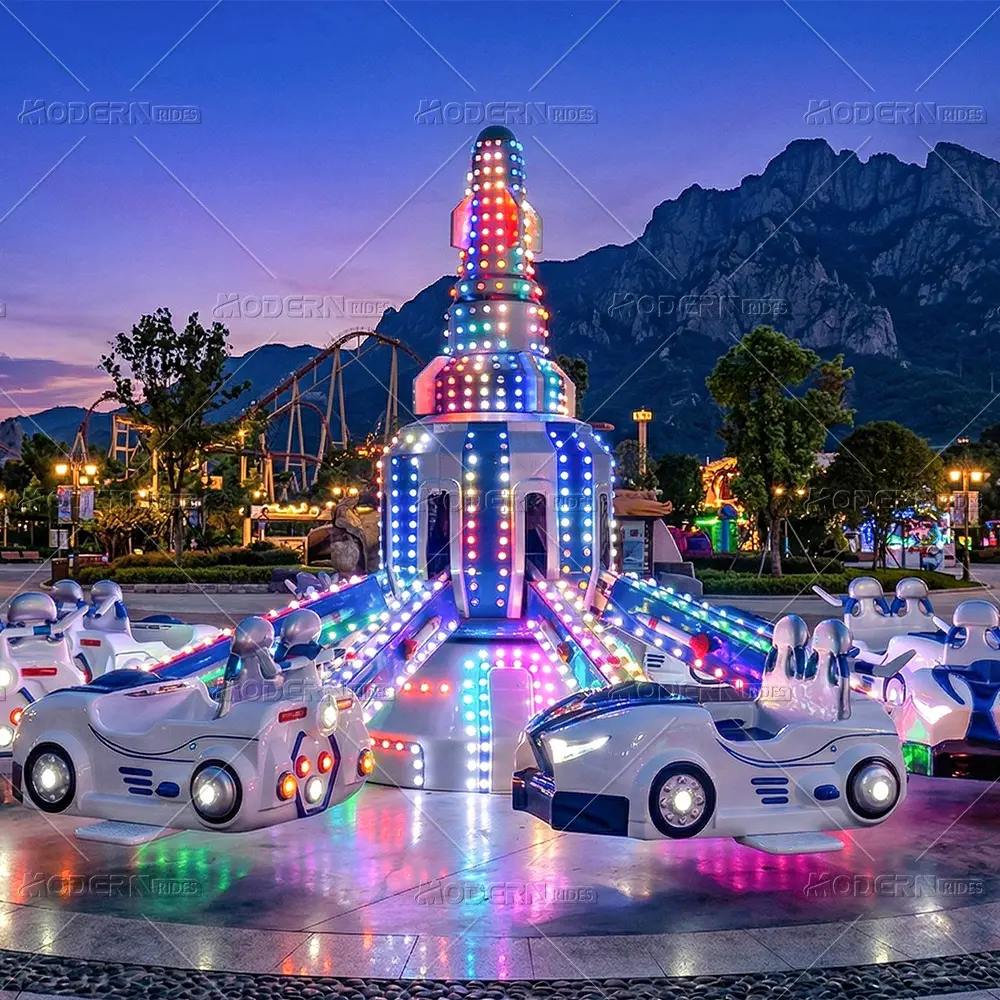
Por qué Seguro para Atracciones Mecánicas Es Esencial Después de la Compra
Las atracciones mecánicas implican sistemas mecánicos, sistemas de control eléctrico e interacción con el público, todos los cuales introducen riesgos operativos.
Sin un seguro adecuado el seguro para atracciones mecánicas, un solo incidente puede resultar en:
- Pérdidas financieras significativas
- Responsabilidad legal
- Cierre operativo
- Daño a la reputación de la marca
Los operadores profesionales tratan el seguro como parte del sistema de la atracción, no como un complemento opcional.
1. Tipos Principales de Cobertura que Seguro para Atracciones Mecánicas los Compradores Necesitan
Una estructura de seguro completa generalmente incluye múltiples niveles de protección.
Seguro de Responsabilidad Civil General
Esta es la cobertura más fundamental en el seguro para atracciones mecánicas.
Protege contra:
- Lesiones a visitantes
- Daños a la propiedad de terceros
- Incidentes relacionados con la atracción
La mayoría de los países exigen una cobertura mínima de responsabilidad (comúnmente alrededor de $1 millón por incidente, según las regulaciones locales).
Seguro de Propiedad
El seguro de propiedad cubre los activos físicos, incluyendo:
- Estructuras de la atracción
- Sistemas de control
- Infraestructura del parque
Protege contra riesgos como:
- Incendio
- Robo
- Vandalismo
- Eventos naturales (según la póliza)
Para los compradores que importan equipos, esto es crítico después de la instalación.
Seguro de Compensación Laboral
Si emplea operadores o personal de mantenimiento, esta cobertura es esencial.
Incluye:
- Gastos médicos
- Salarios perdidos
- Protección contra lesiones laborales
Sin ella, los incidentes con empleados pueden convertirse rápidamente en grandes responsabilidades.
Seguro de Responsabilidad del Producto
Este tipo de el seguro para atracciones mecánicas se aplica cuando una falla del equipo causa daños o lesiones.
Generalmente cubre:
- Defectos de fabricación
- Fallos mecánicos
- Riesgos relacionados con el diseño
En muchos casos, la responsabilidad puede compartirse entre el fabricante y el operador, por lo que una documentación clara es importante.
Seguro de Paraguas (Exceso de Responsabilidad)
Los reclamos grandes pueden exceder los límites estándar de la póliza.
El seguro de paraguas proporciona:
- Cobertura adicional más allá de las pólizas primarias
- Protección contra demandas de alto valor
Para operadores con múltiples atracciones o alto volumen de visitantes, esto es muy recomendable.
2. Requisitos Legales para el Seguro para Atracciones Mecánicas
Los requisitos de seguro varían según el país o la región donde se instalen las atracciones.
Sin embargo, las expectativas regulatorias comunes incluyen:
- Cobertura mínima de responsabilidad (a menudo ≥ $1 millón por incidente)
- Comprobante de seguro antes de la aprobación operativa
- Documentación de póliza específica para la atracción
- Cumplimiento con las autoridades de inspección de seguridad
En muchos mercados, el seguro está directamente vinculado a la licencia de operación; sin una póliza válida, el seguro para atracciones mecánicas, es posible que no se permita la operación.
3. ¿Cuánto Cuesta? Seguro para Atracciones Mecánicas El costo del seguro depende de varios factores operativos reales:
Tamaño y distribución del parque
- Número y tipo de atracciones
- Volumen diario de visitantes
- Ubicación y nivel de costos laborales
- Historial de seguridad y prácticas de mantenimiento
- Rangos de referencia típicos (para operaciones pequeñas y medianas):
$100–$300 al mes por cobertura básica de responsabilidad civil
- $300–$800 anuales por cada $1 millón de cobertura (varía según el mercado)
- Los parques bien gestionados con sólidos historiales de seguridad suelen recibir mejores primas con el tiempo.
4. Exclusiones Comunes en las.
Pólizas Seguro para Atracciones Mecánicas No todos los riesgos están cubiertos automáticamente.
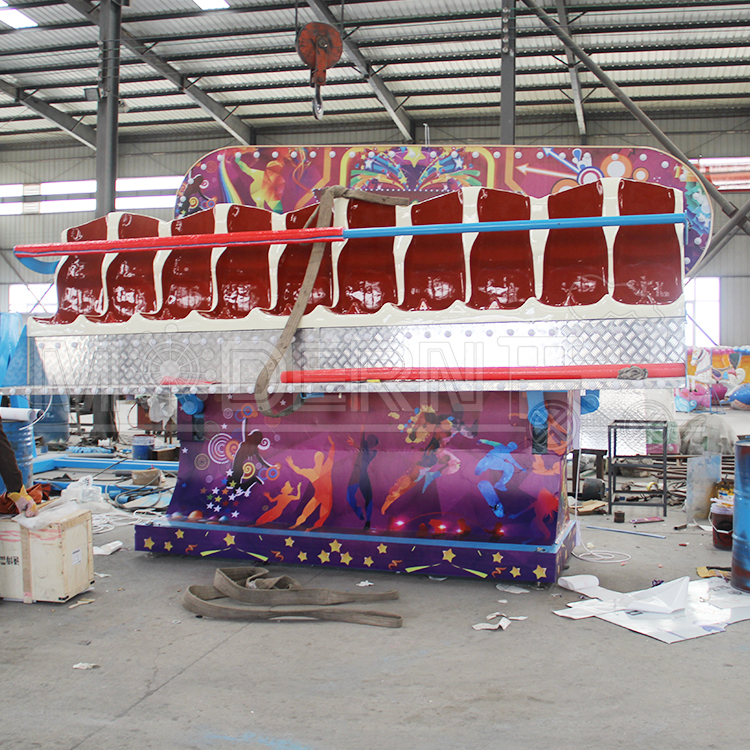
Los compradores deben revisar cuidadosamente exclusiones como:.
Negligencia
Si no se realiza un mantenimiento adecuado, las reclamaciones pueden ser denegadas.
Operación Inadecuada.
Operar atracciones fuera de las directrices del fabricante puede anular la cobertura.
Desastres Naturales.
Inundaciones, terremotos o condiciones climáticas extremas pueden requerir pólizas separadas.
Usuarios No Autorizados.
Los incidentes que involucren a usuarios fuera de los límites de seguridad (edad, altura) pueden no estar cubiertos.
Comprender estas exclusiones es fundamental para evitar disputas durante las reclamaciones.
5. Cómo Reducir el Riesgo y Disminuir los Costos del Seguro.
Los operadores profesionales no solo compran
seguros, sino que gestionan activamente el riesgo para reducir las primas. el seguro para atracciones mecánicasImplementar Mantenimiento Estandarizado.
Rutinas de inspección diaria
- Lubricación programada y reemplazo de piezas
- Registros de mantenimiento documentados
- Capacitar Adecuadamente a los Operadores
Procedimientos claros de operación de atracciones
- Capacitación en respuesta a emergencias
- Conciencia sobre el cumplimiento de seguridad
- Mantener Documentación
Informes de inspección
- Registros de capacitación
- Registros de incidentes
- Las compañías de seguros suelen evaluar estos factores al establecer las primas.
6. Seguro y Calidad del Equipo: Una Conexión Directa.
Una realidad a menudo pasada por alto:
La calidad de sus atracciones de entretenimiento afecta directamente su riesgo de seguro.
Los equipos de menor calidad suelen conllevar:.
Mayores tasas de fallos
- Mayor tiempo de inactividad
- Mayor probabilidad de reclamaciones
- Los fabricantes confiables suelen proporcionar:
Diseños certificados (CE, EN13814, ASTM según corresponda)
- Sistemas de control estables (PLC + VFD)
- Documentación técnica clara
- Para los proveedores de seguros, esto reduce el riesgo percibido y puede influir positivamente en los términos de la póliza.
7. Errores Comunes que Cometen los Compradores con.
Muchos compradores primerizos subestiman la importancia de la planificación del seguro. Seguro para Atracciones Mecánicas
Los errores típicos incluyen:.
Elegir la póliza más barata sin comprender la cobertura
- Ignorar los requisitos regulatorios locales
- No alinear el seguro con la configuración real de las atracciones
- No actualizar las pólizas después de agregar nuevas atracciones
- Pasar por alto las exclusiones
- Estos errores a menudo resultan en reclamaciones rechazadas o exposición financiera inesperada.
These mistakes often lead to rejected claims or unexpected financial exposure.
Conclusión final: El seguro es parte de la estrategia de inversión
El verdadero propósito de el seguro para atracciones mecánicas no es solo la protección, sino la continuidad del negocio.
Los operadores exitosos entienden que:
- El seguro respalda la operación estable
- La gestión de riesgos mejora la rentabilidad
- El cumplimiento normativo construye credibilidad a largo plazo
En la industria del entretenimiento, la seguridad, la confiabilidad y la protección financiera están estrechamente vinculadas.
Contacto MODERNO hoy para recibir asesoramiento profesional sobre selección de atracciones, planificación de cumplimiento y soluciones completas para parques de diversiones, incluido el respaldo de proyectos preparados para seguros.