




Introduction
Lorsque les investisseurs entrent dans l'industrie des équipements de loisirs, l'une des décisions les plus courantes en phase initiale consiste à choisir entre une **Attraction portable vs Attraction fixe** installation.
À première vue, la réponse peut sembler simple. Les attractions fixes paraissent plus professionnelles et stables, tandis que les attractions portables semblent plus flexibles et moins risquées. Cependant, dans les opérations réelles, la décision ne repose pas sur l'apparence ou le concept. Elle dépend de la manière dont l'entreprise génère des revenus dans différentes conditions d'exploitation.
D’après l’expérience de projet Sur la base de l'expérience de projets dans plusieurs régions, la différence de performance entre les systèmes portables et fixes n'est pas absolue. Elle dépend fortement de la stabilité du flux de visiteurs, du coût du terrain, du modèle d'exploitation et de la rapidité avec laquelle l'exploitant doit récupérer son investissement.
Cet article analyse les deux options en utilisant une logique industrielle pratique plutôt que des hypothèses théoriques.
**Attraction portable vs Attraction fixe : Différence fondamentale en termes d'activité**
**Attraction portable vs Attraction fixe : Différence de modèle d'exploitation**
A **Attraction portable vs Attraction fixe** La comparaison commence par une distinction clé : la mobilité.
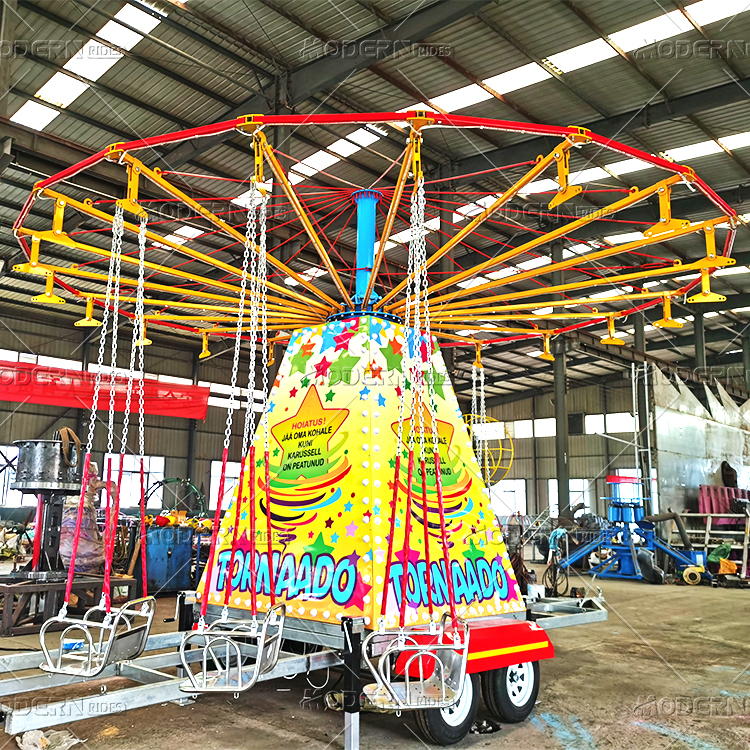
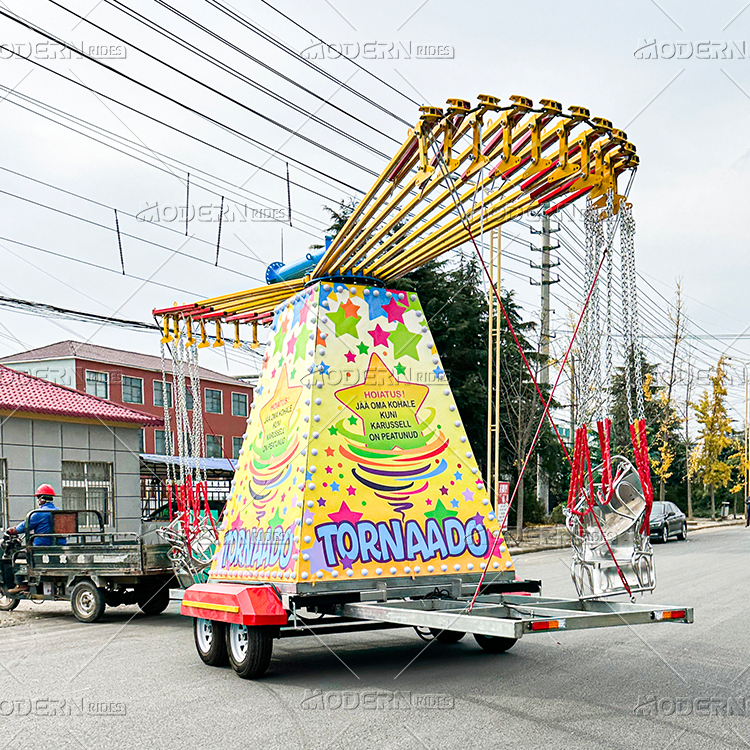
Les attractions portables sont conçues pour le déplacement et le déploiement temporaire. Les attractions fixes sont construites pour une installation à long terme sur un seul site.
En exploitation réelle :
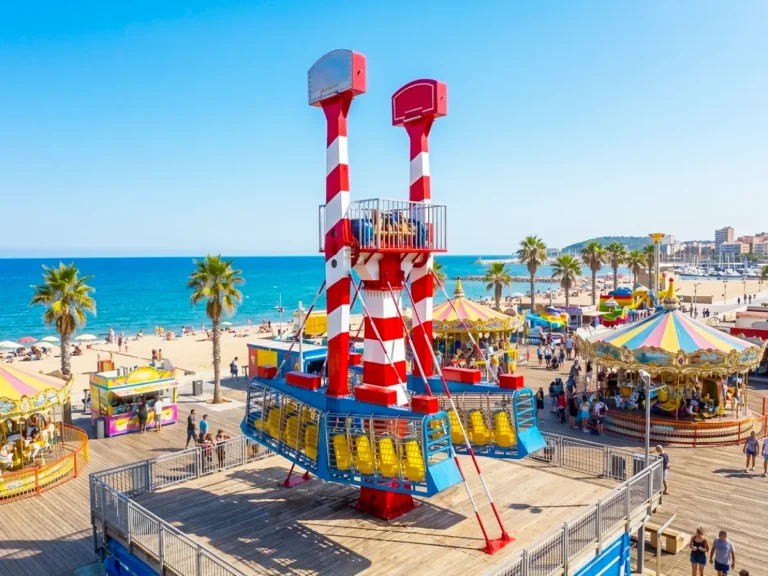
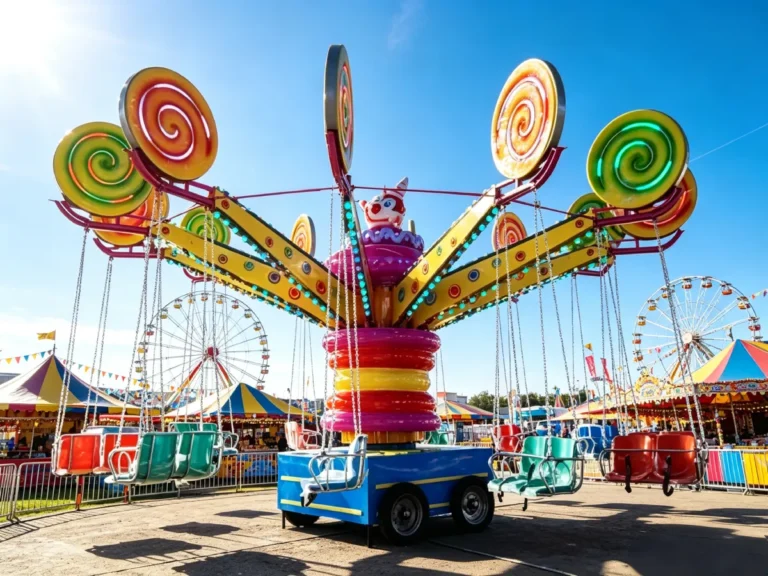
- Les attractions portables se concentrent sur un déploiement répété dans différents lieux
- Les attractions fixes se concentrent sur un flux stable de visiteurs à long terme sur un seul site
Cette différence affecte directement la régularité des revenus, la structure des coûts d'exploitation et l'exposition aux risques.
**Attraction portable vs Attraction fixe : Structure d'investissement**
D'un point de vue financier, le modèle d'investissement est fondamentalement différent.
Fourchettes typiques du secteur (référence générale du marché) :
- Attractions portables : environ 5 000 à 80 000 USD selon la taille et la configuration
- Attractions fixes : souvent de 50 000 USD à plusieurs millions USD, incluant les travaux de génie civil, l'installation et les infrastructures
La différence clé ne réside pas seulement dans le coût de l'équipement, mais aussi dans :
- Les exigences de préparation du terrain
- Les coûts de génie civil
- L'engagement à long terme sur le site
Les systèmes portables réduisent la dépendance aux infrastructures initiales, tandis que les systèmes fixes concentrent l'investissement sur un seul site permanent.
**Attraction portable vs Attraction fixe : Performance des revenus**
**Attraction portable vs Attraction fixe : Stabilité des revenus**
Dans une **Attraction portable vs Attraction fixe** comparaison, la stabilité des revenus est l'une des différences les plus importantes.
Les attractions fixes bénéficient généralement de :
- Un flux de visiteurs quotidien constant
- Une image de marque établie du parc
- Des schémas saisonniers mais prévisibles
Les attractions portables dépendent davantage de :
- Les calendriers d'événements
- Les festivals locaux
- La densité temporaire de la foule
Cela signifie que les attractions fixes sont généralement plus stables, tandis que les attractions portables sont plus variables mais flexibles.
**Attraction portable vs Attraction fixe : Logique réaliste des revenus quotidiens**
Au lieu d'utiliser une capacité maximale théorique, les exploitants réels se concentrent sur les heures d'exploitation effectives.
Pour les attractions portables dans des environnements événementiels :
- Durée du cycle généralement de 2 à 4 minutes
- Efficacité d'exploitation réaliste de 4 à 6 heures effectives par jour
- Taux d'occupation variant entre 50 et 80 pour cent selon le type de foule
Cela se traduit souvent par :
- 2 000 à 5 000 USD par jour dans des conditions événementielles actives (équipement de taille moyenne)
Pour les attractions fixes dans des parcs établis :
- Les revenus dépendent de la saisonnalité et du volume de visiteurs
- Les parcs stables peuvent générer un chiffre d'affaires quotidien constant, mais avec des frais généraux d'exploitation plus élevés
Note importante : les attractions fixes peuvent surperformer significativement les attractions portables dans les parcs d'attractions à fort trafic, mais sous-performer dans les emplacements à faible trafic.
**Attraction portable vs Attraction fixe : Complexité opérationnelle**
**Attraction portable vs Attraction fixe : Installation et mobilité**
L'un des avantages les plus forts des systèmes portables est la flexibilité de déploiement.
Attractions portables :
- Ne nécessitent pas de fondation permanente dans la plupart des cas
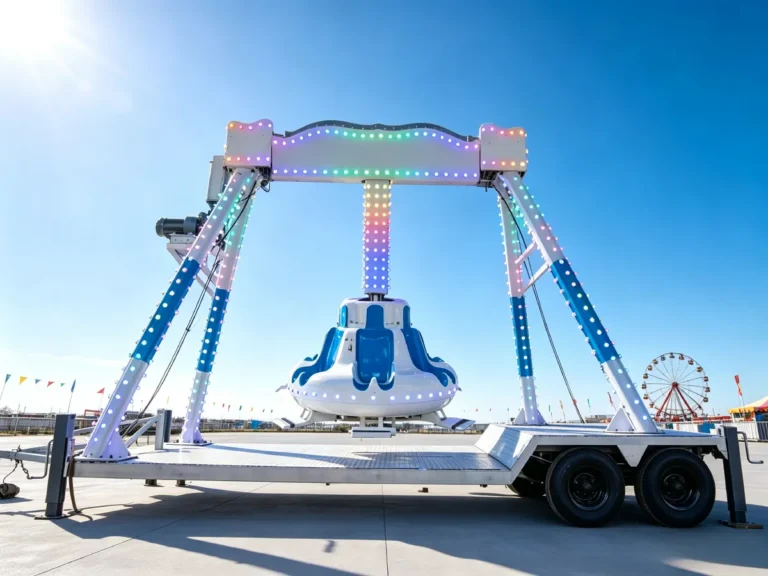
- Peuvent être transportées par remorque ou camion
- Peuvent être relocalisées entre événements ou villes
Attractions fixes :
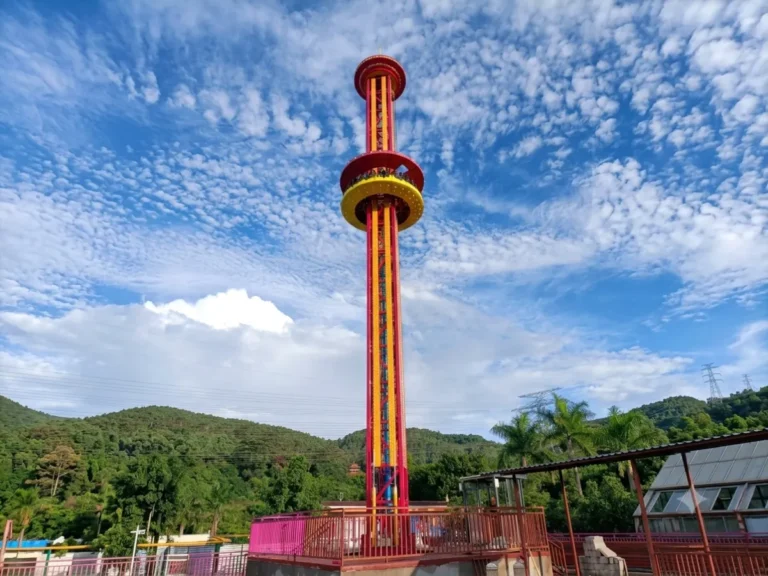
- Nécessitent des travaux de fondation en génie civil
- Cycles d'installation et de mise en service longs
- Coût de relocalisation élevé en cas de déplacement
D'après les retours de projets réels, le temps d'installation impacte directement le potentiel de revenus des attractions portables. Un processus d'installation plus lent réduit le nombre de jours d'exploitation utilisables par saison.
**Attraction portable vs Attraction fixe : Exigences de maintenance**
Les schémas de maintenance diffèrent également de manière significative.
Attractions portables :
- Inspections liées au transport plus fréquentes
- Systèmes mécaniques plus simples dans de nombreux cas
- Accent sur le verrouillage structurel et la stabilité des connexions
Attractions fixes :
- Complexité structurelle plus élevée
- Systèmes plus intégrés
- Contrainte de transport plus faible mais dépendance infrastructurelle à long terme plus élevée
En pratique, les attractions fixes nécessitent des équipes de maintenance plus spécialisées, tandis que les attractions mobiles exigent une discipline opérationnelle accrue lors du déplacement.
Attraction mobile vs attraction fixe : risque et flexibilité
Attraction mobile vs attraction fixe : exposition au risque commercial
La structure de risque est l’une des différences les plus négligées.
Attractions portables :
- Dépendance moindre à l’emplacement
- Capacité à changer rapidement de marché
- Risque réduit lié à un seul site peu performant
Attractions fixes :
- Forte dépendance à la performance du parc
- Capital à long terme lié à un seul emplacement
- Risque plus élevé en cas de baisse de fréquentation
D’un point de vue commercial, les systèmes mobiles réduisent le risque géographique, tandis que les systèmes fixes augmentent la stabilité mais concentrent l’exposition.
Attraction mobile vs attraction fixe : potentiel d’évolutivité
L’évolutivité fonctionne différemment pour chaque modèle.
Les attractions mobiles évoluent par :
- Ajout d’unités supplémentaires
- Expansion vers plusieurs régions
- Exploitation lors d’événements saisonniers
Les attractions fixes évoluent par :
- Augmentation de la taille du parc
- Extension des attractions au sein d’un même emplacement
Aucun modèle n’est universellement meilleur. Ils évoluent dans des directions différentes.
Attraction mobile vs attraction fixe : quel est le meilleur choix pour les investisseurs ?
Attraction mobile vs attraction fixe : facteurs de décision
Sur la base des conditions opérationnelles réelles, le choix dépend :
- De la stabilité du marché
- Du niveau budgétaire
- De la disponibilité foncière
- Du niveau d’expérience de l’exploitant
- Du modèle commercial cible (basé sur des événements ou sur un parc)
En général :
- Les attractions mobiles sont plus adaptées aux activités flexibles et événementielles
- Les attractions fixes sont plus adaptées aux opérations de parcs d’attractions à long terme
Attraction mobile vs attraction fixe : aperçu pratique du secteur
D’après l’expérience de projet L’expérience de projet montre que de nombreux exploitants prospères ne choisissent pas un modèle exclusif.
Au lieu de cela :
- Ils commencent par des attractions mobiles pour tester les marchés
- Puis passent à des installations fixes dans des emplacements stables
Cette approche hybride réduit le risque en phase initiale tout en construisant une infrastructure à long terme.
Conclusion
La comparaison **Attraction portable vs Attraction fixe** ne porte pas sur ce qui est universellement meilleur.
Il s’agit d’adapter le modèle d’investissement aux conditions opérationnelles réelles.
Les systèmes mobiles offrent flexibilité, mobilité et barrières d’entrée plus faibles. Les systèmes fixes offrent stabilité, échelle et constance de la fréquentation à long terme.
Le bon choix dépend de la manière dont l’exploitant prévoit de générer des revenus dans le temps, et non seulement de la décision d’achat initiale.