



与我们取得联系

联系表单演示

移动式 vs 固定式游乐设备:如何选择?

Introduction

When investors enter the amusement equipment industry, one of the most common early-stage decisions is choosing between a Portable Amusement Ride vs Fixed Rides setup.

At first glance, the answer may seem simple. Fixed rides look more professional and stable, while portable rides appear more flexible and lower risk. However, in real-world operations, the decision is not about appearance or concept. It is about how the business earns money under different operating conditions.

From MODERN’s project experience in multiple regions, the performance difference between portable and fixed systems is not absolute. It depends heavily on traffic stability, land cost, operating model, and how quickly the operator needs to recover investment.

This article breaks down both options using practical industry logic rather than theoretical assumptions.


Portable Amusement Ride vs Fixed Rides Core Business Difference

Portable Amusement Ride vs Fixed Rides Operating Model Difference

A Portable Amusement Ride vs Fixed Rides comparison starts with one key distinction: mobility.

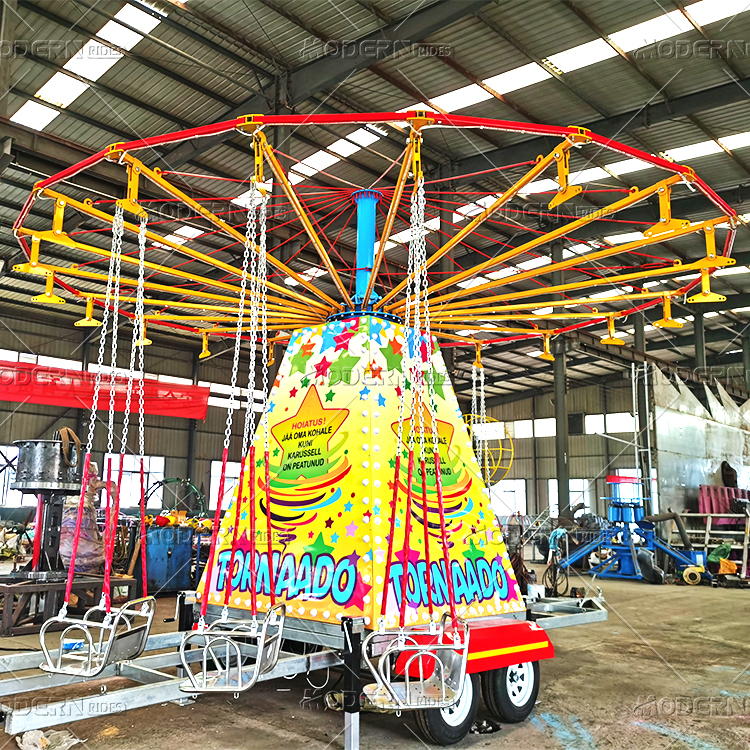
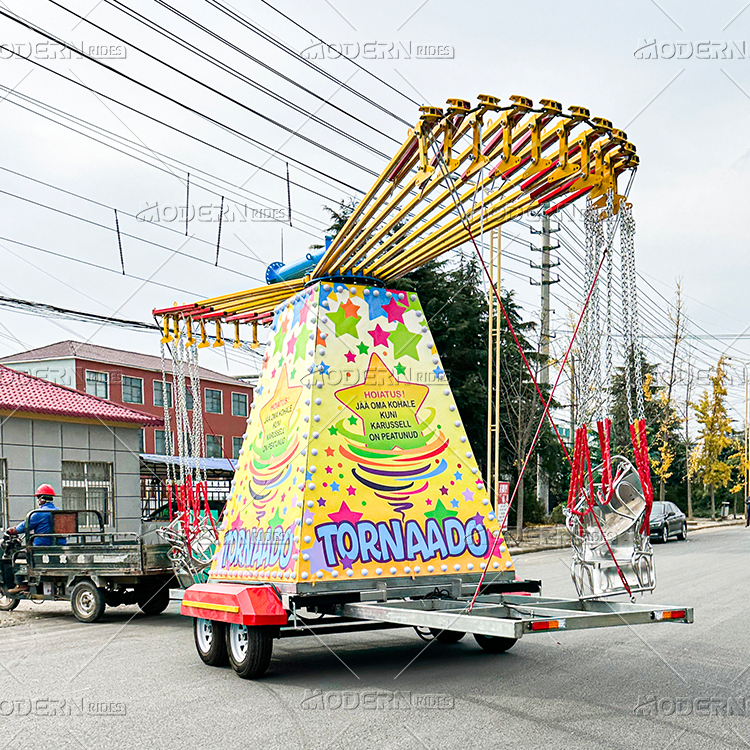
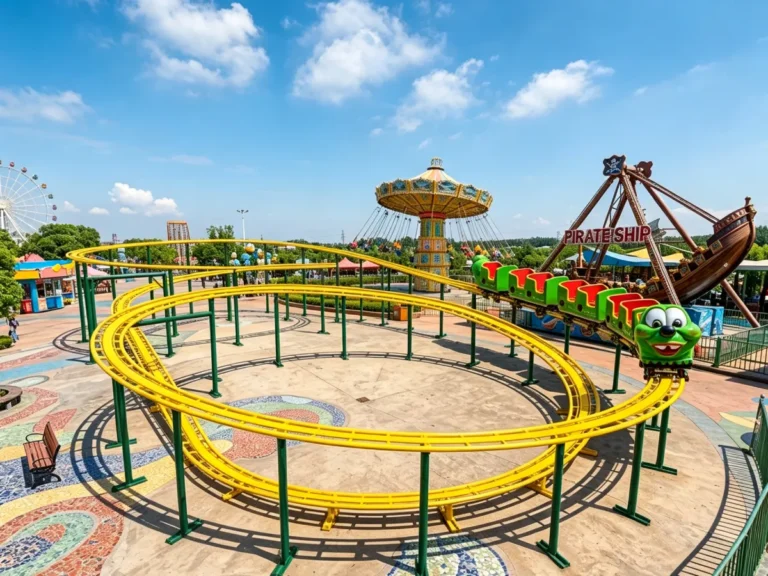
Portable rides are designed for movement and temporary deployment. Fixed rides are built for long-term placement in a single location.

In real operation:

  • Portable rides focus on repeated deployment across different locations
  • Fixed rides focus on stable long-term visitor flow in one site

This difference directly affects revenue consistency, operating cost structure, and risk exposure.


Portable Amusement Ride vs Fixed Rides Investment Structure

From a financial perspective, the investment model is fundamentally different.

Typical industry ranges (general market reference):

  • Portable amusement rides: approximately 5,000 to 80,000 USD depending on size and configuration
  • Fixed amusement rides: often 50,000 USD to several million USD including civil works, installation, and infrastructure

The key difference is not only equipment cost, but also:

  • Land preparation requirements
  • Civil engineering costs
  • Long-term site commitment

Portable systems reduce upfront infrastructure dependency, while fixed systems concentrate investment into a single permanent location.


Portable Amusement Ride vs Fixed Rides Revenue Performance

Portable Amusement Ride vs Fixed Rides Income Stability

In a Portable Amusement Ride vs Fixed Rides comparison, revenue stability is one of the most important differences.

Fixed rides usually benefit from:

  • Consistent daily visitor flow
  • Established park branding
  • Seasonal but predictable patterns

Portable rides depend more on:

  • Event schedules
  • Local festivals
  • Temporary crowd density

This means fixed rides are generally more stable, while portable rides are more variable but flexible.


Portable Amusement Ride vs Fixed Rides Realistic Daily Revenue Logic

Instead of using theoretical maximum capacity, real operators focus on effective operating hours.

For portable rides in event environments:

  • Cycle time typically 2 to 4 minutes
  • Realistic operating efficiency 4 to 6 effective hours per day
  • Occupancy varies between 50 to 80 percent depending on crowd type

This often results in:

  • 2000 to 5000 USD per day in active event conditions (mid-size equipment range)

For fixed rides in established parks:

  • Revenue depends on seasonality and visitor volume
  • Stable parks may generate consistent daily turnover, but with higher operational overhead

Important note: fixed rides can outperform portable ones significantly in high-traffic amusement parks, but underperform in low-traffic locations.


Portable Amusement Ride vs Fixed Rides Operational Complexity

Portable Amusement Ride vs Fixed Rides Setup and Mobility

One of the strongest advantages of portable systems is deployment flexibility.

Portable rides:

  • Require no permanent foundation in most cases
  • Can be transported by trailer or truck
  • Can be relocated between events or cities

Fixed rides:

  • Require civil foundation work
  • Long installation and commissioning cycles
  • High relocation cost if moved

From real project feedback, setup time directly impacts revenue potential for portable rides. A slower setup process reduces usable operating days per season.


Portable Amusement Ride vs Fixed Rides Maintenance Requirements

Maintenance patterns also differ significantly.

Portable rides:

  • More frequent transport-related inspections
  • Simpler mechanical systems in many cases
  • Focus on structural locking and connection stability

Fixed rides:

  • Higher structural complexity
  • More integrated systems
  • Lower transport stress but higher long-term infrastructure dependency

In practice, fixed rides require more specialized maintenance teams, while portable rides require more operational discipline during relocation.


Portable Amusement Ride vs Fixed Rides Risk and Flexibility

Portable Amusement Ride vs Fixed Rides Business Risk Exposure

Risk structure is one of the most overlooked differences.

Portable rides:

  • Lower location dependency
  • Ability to switch markets quickly
  • Reduced risk from a single poor site

Fixed rides:

  • High dependency on park performance
  • Long-term capital tied to one location
  • Higher risk if visitor traffic declines

From a business perspective, portable systems reduce geographic risk, while fixed systems increase stability but concentrate exposure.


Portable Amusement Ride vs Fixed Rides Scalability Potential

Scalability works differently for each model.

Portable rides scale through:

  • Adding more units
  • Expanding to multiple regions
  • Operating across seasonal events

Fixed rides scale through:

  • Increasing park size
  • Expanding attractions within one location

Neither model is universally better. They scale in different directions.


Portable Amusement Ride vs Fixed Rides Which One Is Better for Investors

Portable Amusement Ride vs Fixed Rides Decision Factors

Based on real operational conditions, the choice depends on:

  • Market stability
  • Budget level
  • Land availability
  • Experience level of the operator
  • Target business model (event-based or park-based)

In general:

  • Portable rides are more suitable for flexible, event-driven businesses
  • Fixed rides are more suitable for long-term amusement park operations

Portable Amusement Ride vs Fixed Rides Practical Industry Insight

From MODERN’s project experience, many successful operators do not choose one model exclusively.

Instead:

  • They start with portable rides to test markets
  • Then transition into fixed installations in stable locations

This hybrid approach reduces early-stage risk while building long-term infrastructure.


Conclusion

The comparison of Portable Amusement Ride vs Fixed Rides is not about which is universally better.

It is about matching the investment model to real operating conditions.

Portable systems offer flexibility, mobility, and lower entry barriers. Fixed systems offer stability, scale, and long-term visitor consistency.

The right choice depends on how the operator plans to generate revenue over time, not just the initial purchase decision.

可靠供热解决方案

告知需求,获取设备选型、场地规划与物流配送的清晰方案.

全球办事处

此处为示例文本:元素设计应体现平衡理念。非必要组件不应影响核心功能,系统架构需确保长期稳定运行。.

与我们取得联系

联系表单演示

最新博客文章

  • 移动游乐设备成本:买家常忽略的关键点

    引言 当买家搜索“移动游乐设备成本”时,通常期待简单数字:价格表、快速报价或"标准预算"。但实际运营中,成本计算远非如此简单。根据MODERN全球移动设备供应经验,最终投资往往涉及[...]
    2026-04-15
  • 移动式 vs 固定式游乐设备:如何选择?

    引言 投资者进入游乐设备行业时,初期最常见决策之一是在移动式与固定式设备间选择。表面看来答案似乎简单:固定设备更显专业稳定,移动设备更具灵活性且风险较低。但实际运营中[...]
    2026-04-15
  • 活动用移动游乐设备:如何实现投资回报最大化

    引言 活动用移动游乐设备常被视为灵活快回报的投资选择。但实际活动运营中,仅靠灵活性并不能保证盈利。许多新手经营者发现,即使使用热门设备,不同活动的实际收益也存在显著差异。关键不在设备本身,而在于[...]
    2026-04-15