


分类目录:
摩天轮游乐设施的最大高度是多少?
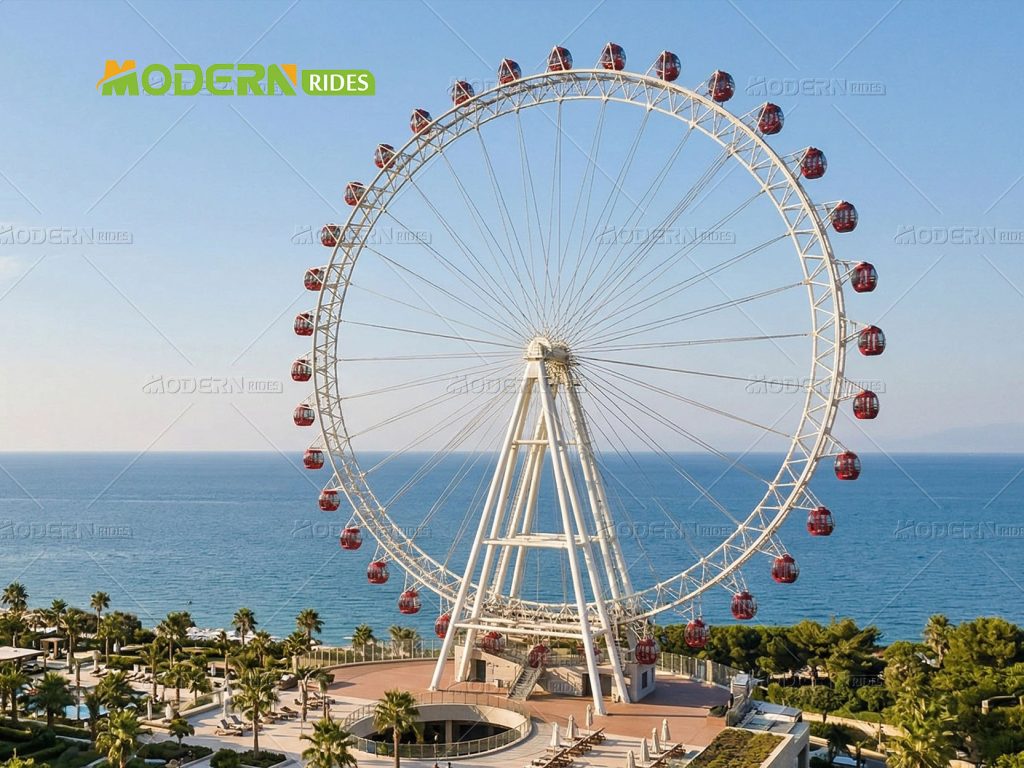
When it comes to amusement park attractions, the Ferris wheel ride stands out as one of the most iconic and visually striking rides. Whether in a bustling theme park or a city skyline, the Ferris wheel offers visitors breathtaking views and a memorable experience. One of the most frequently asked questions by park operators and enthusiasts alike is: “What is the maximum height of a Ferris wheel ride?”

Understanding Different Heights of Ferris Wheel Rides
Ferris wheel rides come in a wide range of heights to suit different park sizes, budgets, and visitor experiences. The most common heights include:
- 20 meters – Compact model suitable for small parks or family-friendly amusement areas. Offers a gentle ride experience and quick turnover.
- 30 meters – A mid-sized Ferris wheel that balances visibility and ride excitement without requiring excessive space.
- 42 meters – Popular among medium-sized parks; provides panoramic views for a broader audience.
- 55 meters – A larger model ideal for tourist attractions seeking a landmark ride that draws attention from a distance.
- 65 meters – High-capacity Ferris wheels that combine thrill and sightseeing; often used for urban or commercial landmarks.
- 88 meters – A super-sized Ferris wheel designed for major theme parks or waterfront developments, creating a strong visual impact.
- 120 meters – One of the tallest Ferris wheel rides globally; primarily constructed as a landmark attraction with exceptional panoramic views.
Factors Influencing the Choice of Ferris Wheel Height
Selecting the right height for a Ferris wheel ride involves more than just aiming for the tallest structure. Several factors should guide the decision:
1. Available Space and Footprint
Higher Ferris wheel rides require larger foundations and safety clearances. For instance:
- A 20–30 meter model fits comfortably within compact urban parks.
- A 65–120 meter Ferris wheel needs significant land, structural support, and crowd management planning.
2. Target Audience
- Small and family-oriented parks may prefer 20–42 meters for a gentle and approachable ride.
- Tourist destinations or large theme parks often invest in 55 meters and above, as these sizes create a landmark effect and attract more visitors.
3. Ride Capacity and Throughput
- Taller Ferris wheels generally accommodate more cabins and passengers per hour, enhancing ROI for high-traffic parks.
- For example, a 120-meter Ferris wheel may carry 300–500 riders per hour, while a 20-meter model typically carries 50–100 riders per hour.
4. Budget and Investment Return
- Larger Ferris wheels cost significantly more due to materials, engineering, and installation requirements.
- Smaller models offer quicker installation, lower maintenance, and faster ROI for smaller parks.
Safety and Engineering Standards
All Ferris wheel rides, regardless of height, must meet international safety standards. Key considerations include:
- Structural integrity to withstand wind loads and environmental conditions.
- Certified electrical and mechanical systems for smooth operation.
- Regular maintenance and inspection to ensure long-term safety and reliability.
Conclusion: Maximum Height vs. Optimal Choice
While the maximum height of a Ferris wheel ride can reach 120 meters or more, the best height for your park depends on space, audience, budget, and operational goals. Smaller parks can maximize profitability with 20–42 meter rides, while large tourist-focused parks benefit from 55–120 meter landmark Ferris wheels that define the skyline.
选择合适的 Ferris wheel ride height ensures a balance between thrilling views, visitor experience, and financial sustainability.