Categorías de Libros:







Costo de Atracciones Portátiles: Lo que los Compradores Suelen Pasar por Alto
Introducción
Cuando los compradores buscan Costo de Atracción Portátil de Feria, lo primero que suelen esperar es un número simple. Una lista de precios, un rango rápido o un “presupuesto estándar”.
Pero en la práctica real del negocio de entretenimiento, el costo rara vez es tan simple.
Desde la experiencia de MODERN La experiencia en proyectos de suministro global de atracciones portátiles muestra que la inversión final a menudo no está determinada únicamente por el precio del equipo. Se ve influenciada por las condiciones de transporte, la estrategia del evento, la eficiencia operativa y decisiones operativas ocultas que muchos compradores primerizos no calculan de antemano.
Este artículo desglosa Costo de Atracción Portátil de Feria de manera realista basada en la práctica de la industria, no en suposiciones de marketing.
Rango de Precio Básico del Costo de Atracción Portátil de Feria en la Industria
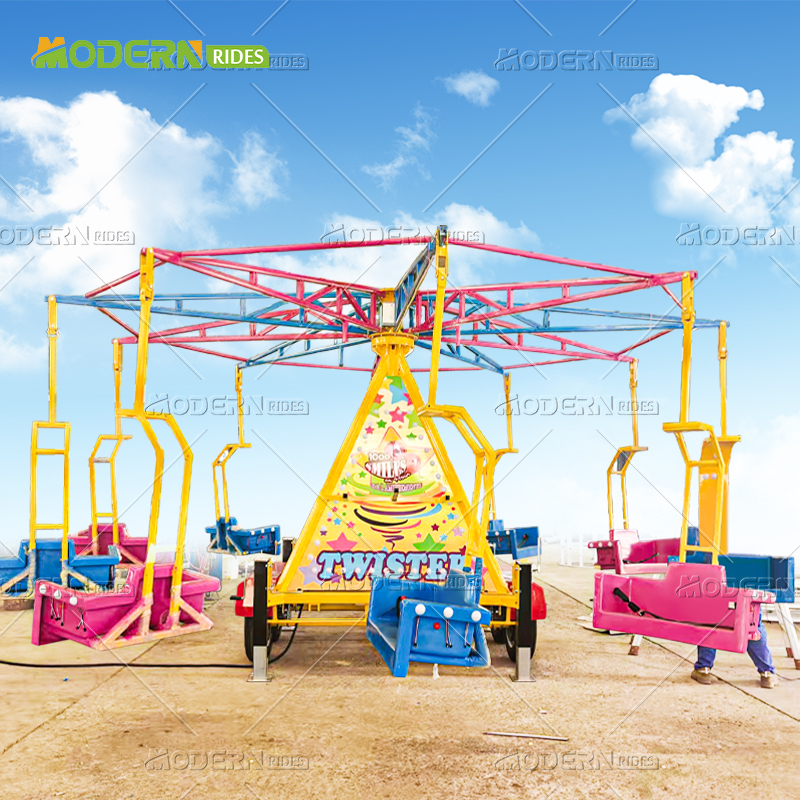
En el mercado global actual de equipos de entretenimiento, Costo de Atracción Portátil de Feria varía ampliamente según el tamaño, la estructura y la configuración.
Rangos de referencia típicos:
- Atracciones portátiles pequeñas (unidades enfocadas en niños): aproximadamente 3,000 a 15,000 USD
- Atracciones portátiles medianas (carrusel, trenecito, atracciones pequeñas): aproximadamente 15,000 a 80,000 USD
- Sistemas de atracciones portátiles más grandes: pueden superar los 100,000 USD dependiendo de la personalización y la capacidad
Estas cifras reflejan condiciones generales del mercado de exportación, no estándares de precios fijos.
Sin embargo, los compradores experimentados rara vez toman decisiones basándose únicamente en esta cifra inicial.
Costo de Atracción Portátil de Feria: Qué Suele Incluirse y Qué No
Uno de los malentendidos más comunes sobre Costo de Atracción Portátil de Feria es asumir que el precio del equipo listado incluye todo lo necesario para la operación.
En realidad, el costo base suele incluir:
- Estructura principal de la atracción
- Sistema eléctrico básico
- Componentes de seguridad estándar
- Sistema de control
Pero varios elementos importantes a menudo no están completamente incluidos o varían según el proyecto:
- Embalaje y logística de transporte
- Mano de obra de instalación local
- Sistemas de suministro eléctrico, como generadores si son necesarios
- Licencias para eventos o permisos locales
- Paquete de piezas de repuesto para operación a largo plazo
Aquí es donde muchos compradores subestiman la inversión total.
Costo de Atracción Portátil de Feria: Costos Ocultos que Afectan el ROI Real
Incluso si el precio del equipo es claro, el verdadero Costo de Atracción Portátil de Feria se vuelve visible solo durante la operación.
Costos de Transporte y Movilidad
Debido a que las atracciones portátiles están diseñadas para moverse, la logística se convierte en un costo recurrente.
Dependiendo de la región y la distancia:
- El transporte de corta distancia puede ser relativamente bajo
- El transporte de larga distancia o transfronterizo puede aumentar significativamente el costo por evento
Los operadores que se mudan con frecuencia a menudo descubren que la logística se convierte en una parte importante del gasto anual.
Costo de Mano de Obra para Montaje y Desmontaje
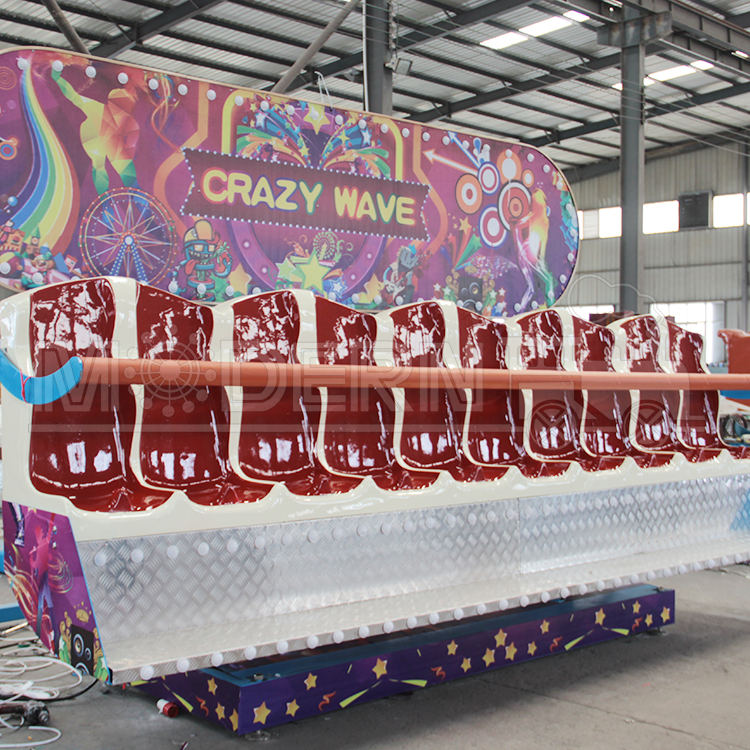
Una atracción portátil no es “enchufar y usar” en la mayoría de los escenarios reales.
Los requisitos típicos incluyen:
- De 2 a 4 trabajadores para atracciones medianas
- Varias horas de montaje dependiendo del diseño
- Tiempo adicional para pruebas y verificaciones de seguridad
En múltiples eventos, el costo de mano de obra se convierte en un factor operativo continuo.
Costo de Inactividad (A Menudo Ignorado)
Una de las partes más pasadas por alto de Costo de Atracción Portátil de Feria es el tiempo de inactividad.
Si una atracción no está operando debido a:
- ajuste mecánico
- daños por transporte
- retrasos en inspecciones
El costo no es solo la reparación: es la pérdida de ingresos durante el tiempo limitado del evento.
En un negocio basado en eventos, incluso un día perdido puede afectar significativamente el rendimiento estacional.
Costo de Atracción Portátil de Feria y Equilibrio de Ingresos
Comprender el costo sin entender los ingresos lleva a decisiones incompletas.
Según patrones de datos operativos reales:
- Las atracciones portátiles pequeñas en entornos de eventos pueden generar aproximadamente 500 a 1,500 USD por día operativo, dependiendo de la densidad de público
- Las atracciones medianas en buenas ubicaciones pueden alcanzar 2,000 a 5,000 USD por día en eventos activos
Sin embargo, estos valores dependen en gran medida de:
- Tipo de evento
- Calidad de la ubicación
- Eficiencia operativa
- Condiciones climáticas y estacionales
Esto significa Costo de Atracción Portátil de Feria siempre debe evaluarse en función de los días operativos reales por año, no del rendimiento diario ideal.
Errores comunes que cometen los compradores en el costo de las atracciones de feria portátiles
Según la observación del sector, aparecen varios errores recurrentes:
Centrarse únicamente en el precio de compra
Muchos compradores comparan solo las cotizaciones iniciales del equipo e ignoran las diferencias en los costos operativos a largo plazo.
Ignorar la disponibilidad de eventos
Las atracciones portátiles dependen de la contratación continua de eventos. Sin un flujo suficiente de eventos, incluso una buena estructura de costos no puede generar un ROI estable.
Subestimar la eficiencia de montaje
Un proceso de montaje más lento reduce la cantidad de horas operativas utilizables durante una temporada, lo que afecta directamente la velocidad de recuperación de ingresos.
Sobrestimar el rendimiento máximo
Muchos cálculos de ROI asumen una ocupación total, mientras que las condiciones reales de los eventos suelen fluctuar significativamente.
Cómo piensan de manera diferente los operadores experimentados sobre el costo de las atracciones de feria portátiles
Los operadores experimentados no tratan Costo de Atracción Portátil de Feria como un número único.
En cambio, evalúan:
- Costo por día operativo
- Costo por ciclo de evento
- Eficiencia de transporte por temporada
- Consistencia de ingresos en diferentes ubicaciones
Este enfoque les ayuda a comprender si la atracción es realmente rentable a lo largo del tiempo, no solo atractiva en la etapa de compra.
Desde la experiencia de MODERN Por experiencia en proyectos, los operadores que tienen éxito a largo plazo suelen centrarse más en la eficiencia operativa que en la negociación del precio inicial.
Conclusión
El verdadero significado de Costo de Atracción Portátil de Feria no se limita al precio del equipo.
Incluye instalación, transporte, mano de obra, riesgo de tiempo de inactividad y, lo más importante, la eficiencia con la que la atracción puede convertir el tiempo limitado de evento en ingresos.
Los compradores que evalúan el costo solo en la etapa de compra a menudo pierden la visión general de la inversión operativa total.
Aquellos que evalúan el costo a lo largo de todo el ciclo de vida operativo suelen tomar decisiones más estables a largo plazo.
Soluciones de Calefacción Confiables
Cuéntenos su plan y reciba orientación clara sobre equipos, distribución y entrega.
Nuestra Oficina Global
Quam elementum pulvinar etiam non quam. Faucibus nisl tincidunt eget nullam non nisi elementum sagittis vitae et leo duis ut diam quam.