




与我们取得联系

联系表单演示

活动用移动游乐设备:如何实现投资回报最大化

Introduction

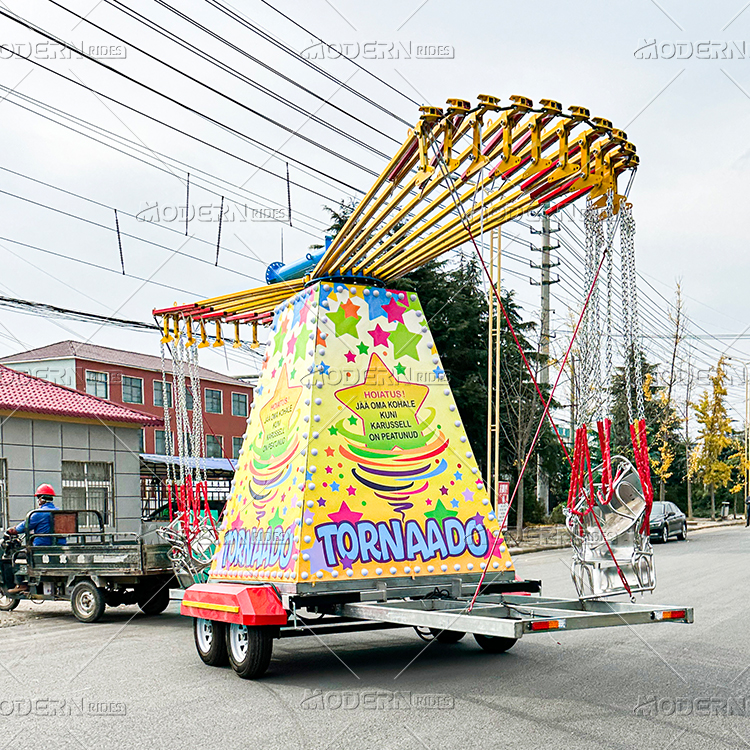
A Portable Amusement Ride for Events is often seen as a flexible, fast-return investment.

But in real event operations, flexibility alone does not guarantee profit.

Many first-time operators discover that even with a popular ride, actual income varies significantly from one event to another. The difference is not the equipment itself, but how it is deployed, operated, and matched to real crowd behavior.

From MODERN’s experience across mobile amusement projects, ROI is not determined by peak performance. It is determined by how consistently the ride can generate income across limited event time.


Portable Amusement Ride for Events ROI Logic Why Event Business Is Different

Unlike fixed parks, a Portable Amusement Ride for Events operates in a compressed and unstable environment.

Portable Amusement Ride for Events Effective Revenue Time vs Total Time

In theory, a ride may operate 8 to 10 hours.

In reality:

  • Early hours often have low traffic
  • Peak time is concentrated in a few hours
  • Late hours drop quickly

This means operators should calculate:

effective revenue hours, not total operating hours

Most real event scenarios deliver only:

4 to 6 high-efficiency hours per day


Portable Amusement Ride for Events Revenue Model Based on Real Conditions

Typical mid-size portable ride:

  • Capacity: 16 to 24 seats
  • Ticket price: 3 to 5 USD
  • Cycle time: about 3 minutes

Under realistic conditions:

  • 150 to 300 riders per hour
  • 500 to 1200 USD per hour

Daily revenue:

2000 to 5000 USD

This reflects actual operator feedback rather than ideal full-capacity calculations.


Portable Amusement Ride for Events Key Factors That Directly Impact ROI


Portable Amusement Ride for Events Setup Efficiency and Time Loss

For a Portable Amusement Ride for Events, setup time directly reduces earning time.

Typical gap between operators:

  • inefficient setup: 2 to 4 hours lost
  • optimized setup: significantly shorter deployment

Over multiple events, this difference becomes a major ROI factor.


Portable Amusement Ride for Events Throughput Optimization vs Pricing Strategy

In event environments, pricing flexibility is limited.

Visitors make quick decisions.

If pricing is too high:

  • hesitation increases
  • participation drops

Experienced operators focus on:

  • fast boarding
  • smooth cycle transitions
  • reducing idle time

Higher throughput usually generates better total revenue than higher ticket prices.


Portable Amusement Ride for Events Crowd Matching and Audience Fit

Not every event crowd converts into riders.

For example:

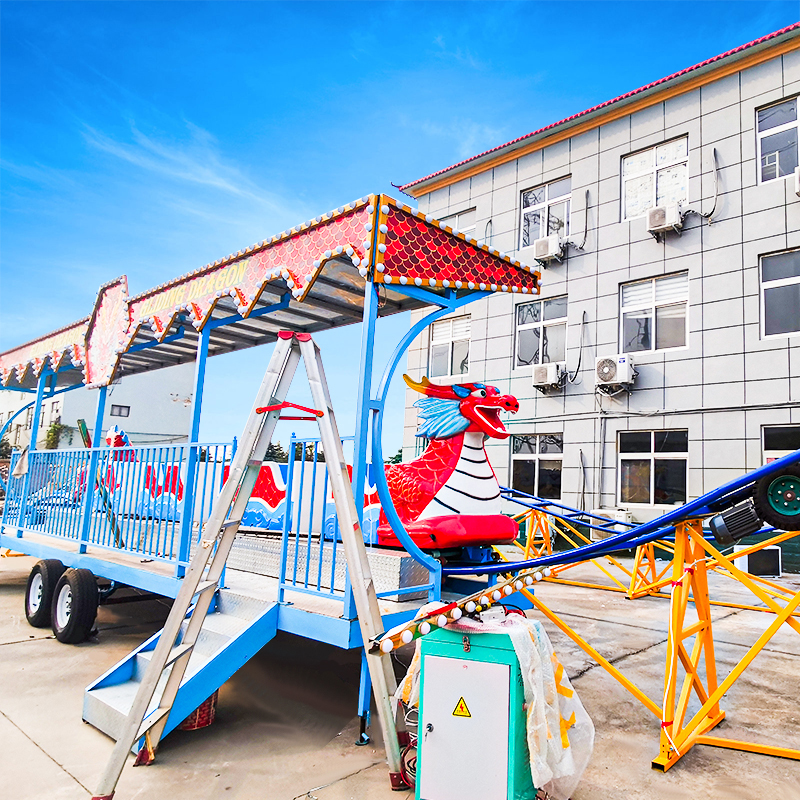
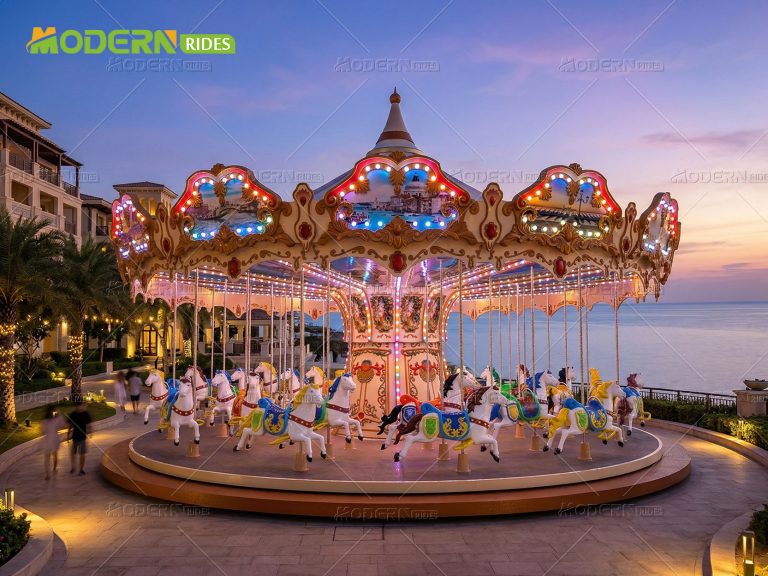
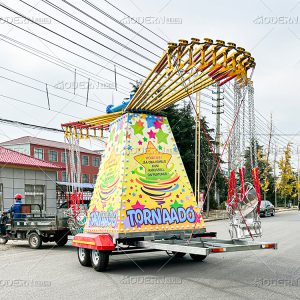
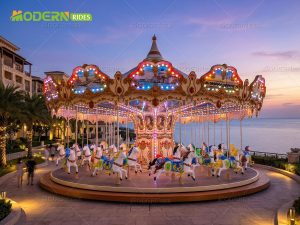
  • family-heavy events favor carousel-style rides
  • younger crowds respond better to dynamic rides

Mismatch leads to low conversion even with high foot traffic.

A Portable Amusement Ride for Events must match the audience, not just the event size.


Portable Amusement Ride for Events Transport Frequency and Route Planning

Mobility creates opportunity, but also cost.

Frequent long-distance moves:

  • increase fuel and logistics cost
  • reduce available operating days

Operators who plan regional routes often achieve better seasonal ROI than those chasing large but distant events.


Portable Amusement Ride for Events Stability vs Peak Capacity

Larger rides may look more profitable.

But in real operation:

  • frequent stops reduce trust
  • interruptions break revenue flow

A stable Portable Amusement Ride for Events that runs continuously often outperforms a higher-capacity ride with interruptions.


Portable Amusement Ride for Events How Experienced Operators Maximize ROI

From actual project observation, experienced operators follow a different logic.

Portable Amusement Ride for Events Focus on Repeatable Daily Output

Instead of chasing peak revenue, they aim for:

  • stable hourly income
  • predictable daily performance
  • consistent rider flow

Portable Amusement Ride for Events Build Operational Efficiency

They optimize:

  • setup process
  • staff coordination
  • ride cycle timing

These improvements are small individually, but significant over a full season.


Portable Amusement Ride for Events Select Equipment Based on Real Use Conditions

From MODERN’s experience, successful operators prioritize:

  • durability under frequent transport
  • quick deployment design
  • low-maintenance systems

Because event-based business rewards consistency more than complexity.


Conclusion Portable Amusement Ride for Events ROI Is Built on Execution

A Portable Amusement Ride for Events is not a guaranteed profit tool.

It becomes profitable when mobility is translated into:

  • usable operating hours
  • efficient ride cycles
  • stable daily performance

Operators who understand this tend to achieve consistent ROI across multiple events, rather than relying on a few high-performing days.

可靠供热解决方案

告知需求,获取设备选型、场地规划与物流配送的清晰方案.

全球办事处

此处为示例文本:元素设计应体现平衡理念。非必要组件不应影响核心功能,系统架构需确保长期稳定运行。.
与我们取得联系

联系表单演示

最新博客文章

  • 移动游乐设备成本:买家常忽略的关键点

    引言 当买家搜索“移动游乐设备成本”时,通常期待简单数字:价格表、快速报价或"标准预算"。但实际运营中,成本计算远非如此简单。根据MODERN全球移动设备供应经验,最终投资往往涉及[...]
    2026-04-15
  • 移动式 vs 固定式游乐设备:如何选择?

    引言 投资者进入游乐设备行业时,初期最常见决策之一是在移动式与固定式设备间选择。表面看来答案似乎简单:固定设备更显专业稳定,移动设备更具灵活性且风险较低。但实际运营中[...]
    2026-04-15
  • 活动用移动游乐设备:如何实现投资回报最大化

    引言 活动用移动游乐设备常被视为灵活快回报的投资选择。但实际活动运营中,仅靠灵活性并不能保证盈利。许多新手经营者发现,即使使用热门设备,不同活动的实际收益也存在显著差异。关键不在设备本身,而在于[...]
    2026-04-15