Buchkategorien:








FAQ
1. Kann ein einziges mobiles Fahrgeschäft wirklich ein Vollzeitgeschäft tragen?
Ja – jedoch nur, wenn es häufig genutzt wird.
Ein einzelnes Mobile Fahrgeschäfte kann dann ein stabiles Einkommen generieren, wenn es:
- über mehrere Veranstaltungen hinweg eingeplant ist,
- an Standorten mit hohem Besucheraufkommen platziert wird,
- während der Hauptsaison kontinuierlich betrieben wird.
Bleibt es an einem Standort mit begrenzter Nachfrage, sind die Einnahmen instabil. Das Geschäftsmodell hängt von Mobilität und Nutzungshäufigkeit, ab, nicht nur vom Besitz der Ausrüstung.
2. Wie aufwendig ist der Aufbauprozess für mobile Fahrgeschäfte?
Die Aufbaukomplexität variiert je nach Modell, aber die meisten Mobile Fahrgeschäfte Konstruktionen zielen darauf ab, die Montagezeit zu reduzieren.
In der Praxis:
- kleinere Einheiten können innerhalb weniger Stunden installiert werden,
- größere mobile Fahrgeschäfte benötigen möglicherweise einen ganzen Arbeitstag.
Der entscheidende Faktor ist, ob die Struktur für wiederholte Montage ausgelegt ist. Schlechte Konstruktion führt mit der Zeit zu längeren Aufbauzeiten und höheren Arbeitskosten.
3. Welche Genehmigungen oder Zulassungen sind in der Regel erforderlich?
Die Anforderungen hängen von den örtlichen Vorschriften ab, aber die meisten Mobile Fahrgeschäfte Betriebe umfassen:
- temporäre Veranstaltungsgenehmigungen,
- sicherheitstechnische Abnahmen,
- Abstimmung mit den lokalen Behörden.
Erfahrene Betreiber arbeiten in der Regel eng mit Veranstaltern zusammen, die oft bei der Abwicklung eines Teils des Genehmigungsprozesses helfen.
4. Führt häufiger Transport wahrscheinlich zu Schäden an der Ausrüstung?
Nicht, wenn die Mobile Fahrgeschäfte ordnungsgemäß konstruiert ist.
Gut gebaute Einheiten berücksichtigen:
- strukturelle Verstärkung für wiederholte Bewegung,
- sichere Verriegelungssysteme während des Transports,
- vereinfachte Demontage zur Reduzierung von Spannungspunkten.
Schäden treten typischerweise auf, wenn die Ausrüstung nicht für Mobilität ausgelegt ist oder unsachgemäß gehandhabt wird.
5. Welche Standorte erzielen die höchste Rendite?
Die profitabelsten Standorte für ein Mobile Fahrgeschäfte sind keine festen Plätze, sondern temporäre Veranstaltungen mit hoher Besucherdichte,, wie zum Beispiel:
- Festivals und Feiertage,
- kommerzielle Werbeaktionen,
- saisonale Märkte.
Diese Veranstaltungen konzentrieren in kurzer Zeit große Besuchermengen, sodass Betreiber innerhalb begrenzter Betriebstage maximale Einnahmen erzielen können.
6. Wie reduzieren erfahrene Betreiber Ausfallzeiten zwischen den Standorten?
Effizienz zwischen den Veranstaltungen ist entscheidend.
Erfahrene Mobile Fahrgeschäfte Betreiber:
- planen die Logistik im Voraus,
- minimieren die Demontagekomplexität,
- planen aufeinanderfolgende Veranstaltungen.
Die Reduzierung von Leerlaufzeiten ist oft wichtiger als die Erhöhung des Ticketpreises, wenn es um die Verbesserung der Gesamtrentabilität geht.
1. Ist ein mobiles Fahrgeschäft ein kurzfristiges Geschäft – oder ein skalierbares Langzeitmodell?
A Mobile Fahrgeschäfte wird oft als vorübergehende Lösung angesehen, kann sich aber in Wirklichkeit zu einem skalierbaren Geschäftsmodell entwickeln.
Erfolgreiche Betreiber expandieren in der Regel durch:
- Erhöhung der Anzahl der Einheiten,
- Abdeckung mehrerer Veranstaltungsorte,
- Aufbau von Beziehungen zu lokalen Veranstaltern.
Anstatt sich auf einen festen Standort zu verlassen, schaffen sie ein Netzwerk von Einnahmequellen. Der Schlüssel liegt nicht in der Ausrüstung selbst, sondern darin, wie effizient sie an verschiedenen Standorten eingesetzt wird.
2. Warum haben einige Betreiber mobiler Fahrgeschäfte Schwierigkeiten, Gewinne zu erzielen?
Das Problem liegt selten an der Ausrüstung – es ist meist eine schlechte Betriebsplanung.
A Mobile Fahrgeschäfte erfordert:
- konsistente Veranstaltungsplanung,
- Auswahl von Standorten mit hohem Besucheraufkommen,
- effizienten Transport und Aufbau.
Betreiber, die es als passive Investition betrachten, sehen sich oft langen Leerlaufzeiten gegenüber, was die Rentabilität direkt verringert. Im Gegensatz dazu erzielen diejenigen, die Bewegung und Timing aktiv steuern, in der Regel deutlich schnellere Renditen.
3. Was bestimmt die tatsächliche Amortisationszeit eines fahrbaren Fahrgeschäfts?
Die Rendite eines Mobile Fahrgeschäfte hängt mehr von der Nutzungshäufigkeit als vom Ticketpreis ab.
Zu den Schlüsselfaktoren gehören:
- wie viele Veranstaltungen es pro Monat betreibt
- wie schnell es verlegt werden kann
- wie gut Spitzenzeiten genutzt werden
Ein Fahrgeschäft, das häufig bei mehreren Veranstaltungen betrieben wird, kann seine Investition deutlich schneller amortisieren als eines, das an einem einzigen Standort mit geringem Besucheraufkommen platziert ist.
4. Sind Transportkosten ein wesentlicher versteckter Kostenfaktor bei Projekten mit fahrbaren Fahrgeschäften?
Die Transportkosten werden bei der Planung eines Mobile Fahrgeschäfte Geschäfts oft unterschätzt.
Zu den Kosten gehören:
- Kraftstoff und Logistik
- Be- und Entladearbeit
- potenzielle Ausfallzeiten zwischen den Standorten
Jedoch reduzieren gut konstruierte fahrbare Geräte diese Kosten durch kompakte Bauweise und schnellere Montage, wodurch häufige Standortwechsel wirtschaftlich tragfähiger werden.
5. Wie wählen erfahrene Betreiber das richtige Modell eines fahrbaren Fahrgeschäfts aus?
Erfahrene Käufer wählen ein Mobile Fahrgeschäfte nicht nur nach Aussehen oder Preis aus.
Sie konzentrieren sich auf:
- Transporteffizienz (Größe und Gewicht)
- Aufbauzeit (Arbeitsaufwand und Geschwindigkeit)
- Stabilität nach wiederholter Verlegung
Ein etwas einfacheres Modell, das schnell bewegt und installiert werden kann, erzielt oft mehr Gewinn als ein komplexes Gerät, das die Betriebsabläufe verlangsamt.
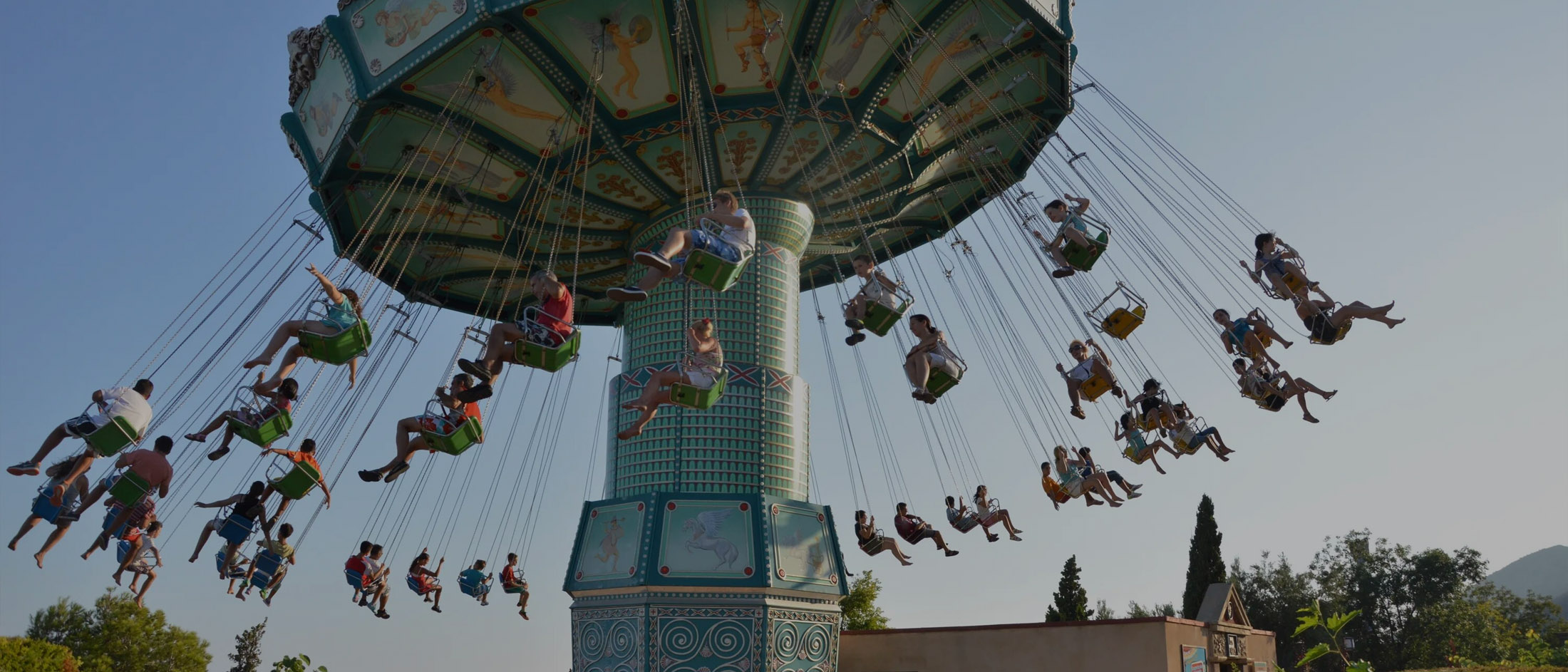
1. Warum wird ein Karussell oft als letztes von Betreibern in Betracht gezogen – aber ist das Erste, das die Einnahmen stabilisiert?
A Karussell ist selten die aufregendste Attraktion, daher wird es oft erst später im Investitionsplan berücksichtigt. Sobald der Park jedoch den Betrieb aufnimmt, wird es schnell zu einer der beständigsten Einnahmequellen.
Der Grund ist einfach: Es bedient ein breiteres Publikum und läuft fast ununterbrochen den ganzen Tag über. Während Fahrgeschäfte mit hohem Nervenkitzel von der Spitzennachfrage abhängen, füllt ein Karussell die Lücken zwischen diesen Spitzen, gewährleistet einen stetigen Besucherstrom und reduziert Leerlaufzeiten im gesamten Park.
2. Was bestimmt tatsächlich die richtige Karussellgröße für ein Projekt?
Die Wahl der richtigen Karussell hängt nicht nur vom Budget ab – es geht darum, die Kapazität an den tatsächlichen Besucherstrom anzupassen.
Kleinere Modelle eignen sich für begrenzte Flächen oder Standorte mit geringem Besucheraufkommen, während größere Doppeldecker-Versionen typischerweise dort eingesetzt werden, wo:
- das Besucheraufkommen konstant hoch ist
- das Fahrgeschäft auch als visueller Blickpunkt dient
- die Nachfrage an der Warteschlange aufrechterhalten werden kann
Eine Überdimensionierung eines Karussell führt oft zu einer Unterauslastung, was sich direkt auf die Kapitalrendite auswirkt.
3. Ist ein luxuriöses Karussell die zusätzliche Investition wirklich wert?
Ein hochwertiges Karussell bietet mehr als nur Fahrten – es verbessert die Gesamtwahrnehmung des Parks.
In kommerziellen Gebieten oder tourismusorientierten Projekten kann ein visuell starkes Karussell:
- Besucher aus der Ferne anziehen
- das Teilen von Fotos und die Bekanntheit steigern
- den wahrgenommenen Wert des Parks erhöhen
In kleineren lokalen Parks jedoch kann die Rendite aus visuellen Aufwertungen die zusätzlichen Kosten möglicherweise nicht rechtfertigen. Die Entscheidung sollte davon abhängen, ob das Projekt auf visuelle Attraktivität oder betriebliche Effizienz setzt..
4. Wie trägt ein Karussell zum gesamten Besucherfluss im Park bei?
A Karussell spielt eine strukturelle Rolle in der Parkgestaltung, anstatt als eigenständige Attraktion zu fungieren.
Da es:
- kurze Umlaufzeiten
- kontinuierliches Einsteigen
- breite Besucheransprache
aufweist, hilft es, die Bewegung im Park aufrechtzuerhalten, Staus in stark nachgefragten Bereichen zu verhindern und Ausfallzeiten zwischen großen Attraktionen zu reduzieren.
In vielen erfolgreichen Parks wird das Karussell strategisch platziert, um verschiedene Zonen zu verbinden und die Besucherverteilung zu glätten.
5. Was sind die häufigsten Fehler bei der Investition in ein Karussell?
Das häufigste Problem ist die Unterschätzung seiner betrieblichen Rolle.
Zu den häufigen Fehlern gehören:
- es als dekoratives Fahrgeschäft statt als Einnahmequelle zu behandeln
- es in Bereichen mit geringem Besucheraufkommen zu platzieren
- Auswahl der Größe ausschließlich auf Basis des Budgets anstatt der Kapazitätsplanung
Eine gut positionierte und angemessen dimensionierte Karussell erzielt oft weit bessere Ergebnisse als erwartet, während eine schlecht geplante trotz guter Gestaltung möglicherweise unzureichend genutzt bleibt.
Zuverlässige Heizlösungen
Teilen Sie uns Ihren Plan mit und erhalten Sie klare Beratung zu Ausrüstung, Layout und Lieferung.
Unser globales Büro
Quam elementum pulvinar etiam non quam. Faucibus nisl tincidunt eget nullam non nisi elementum sagittis vitae et leo duis ut diam quam.
Nehmen Sie Kontakt mit uns auf
Neueste Blogbeiträge
-
 Warum Pendelbahn-Attraktionen zu Kernprojekten in modernen Freizeitparks geworden sind: In den meisten modernen Themen- und Vergnügungsparks ist eine Pendelbahn oft eine der auffälligsten Attraktionen des gesamten Parks. Ihre massive Struktur, die hochgelegene Schwingbewegung, die schnelle Rotation und die intensive visuelle Bewegung können selbst aus der Ferne sofort Besucher anziehen. Die Schreie […]2026-05-07
 -
 Wichtiger Hinweis: Nicht alle Modelle von Schaukelfahrgeschäften sind für die Installation und den Betrieb in Innenräumen geeignet. In der frühen Planungsphase eines Indoor-Vergnügungsparks betrachten viele Käufer Schaukelfahrgeschäfte als sichere und flexible Option. Sie wirken kompakt, haben eine einfache Bewegung und sind für Kinder geeignet. Im tatsächlichen Projektbetrieb stellt sich dies jedoch als eine der […] heraus.2026-04-28
 -
 Einleitung Wenn Käufer nach den Kosten tragbarer Fahrgeschäfte suchen, erwarten sie meist zuerst eine einfache Zahl. Eine Preisliste, eine grobe Spanne oder ein “Standardbudget”. Aber in der Praxis des Freizeitgeschäfts sind die Kosten selten so einfach. Basierend auf MODERNs Projekterfahrung im globalen Vertrieb tragbarer Fahrgeschäfte ist die endgültige Investition oft nicht […]2026-04-15